How to Choose 24VDC Solenoids at the 2026 Canton Fair?
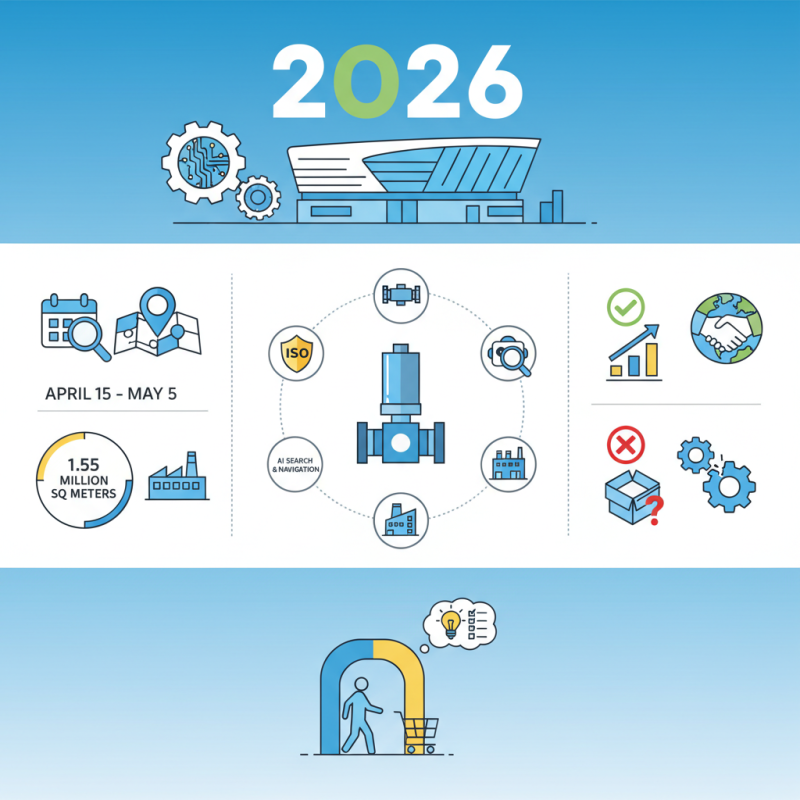
The 2026 Canton Fair presents an incredible opportunity for businesses seeking 24vdc solenoids. This fair, scheduled from April 15 to May 5, is pivotal for industries like advanced manufacturing and electronics. With a vast exhibition area of 1.55 million square meters, it showcases numerous suppliers and innovative products.
Finding the right 24VDC solenoid can be challenging. Many options are available, and selection requires careful consideration. Factors like ISO and CE certifications can be essential. The introduction of AI search and navigation tools will assist in efficiently identifying suppliers that meet specific criteria. This innovation can greatly improve the sourcing process.
However, potential buyers must remain vigilant. Not all manufacturers may provide the quality needed. It's vital to ask questions and inspect products carefully. Some solenoids may not deliver the expected performance. Reflecting on these aspects can lead to more informed choices. Ultimately, attending the Canton Fair allows you to engage directly with suppliers and compare 24VDC solenoids effectively.
Understanding the Basics of 24VDC Solenoids
When choosing 24VDC solenoids, it’s essential to understand their basics. A solenoid is an electromagnetic device that converts electrical energy into mechanical movement. This allows it to act as a switch, locking or releasing mechanisms as needed. The core component is the coil, which creates a magnetic field. The strength of this field depends on the voltage applied.
Consider the power requirements for your application. A solenoid with the right voltage ensures optimal performance. Too low voltage may lead to insufficient actuation. Too high voltage might overheat the coil. Design factors also play a role. Dimensions, mounting options, and stroke length influence your choice.
Another vital aspect is the duty cycle. The solenoid must handle the demands of your system. Some applications may require continuous operation, while others need short bursts. Analyze your setup to determine the right specifications. Reflect on the environment as well. Temperature and humidity can affect solenoid performance.
Accurate specifications lead to better choices, but it’s easy to overlook details along the way.
Identifying Key Applications for 24VDC Solenoids
When selecting 24VDC solenoids, it’s crucial to identify the specific applications they will serve. These solenoids can be used in various industries, including automotive, robotics, and manufacturing. They operate efficiently and deliver reliable performance, making them ideal for many projects.
In the automotive sector, solenoids control various mechanisms like door locks and fuel gauges. They must be durable to handle harsh conditions. In robotics, solenoids often actuate movements. Precision and response time are vital here. If the solenoid is slow, it could impact the entire system.
Manufacturing applications involve solenoids in automated machinery. They assist in repetitive tasks, improving efficiency. However, incorrect specifications can lead to malfunctions. It's essential to assess the load requirements and environmental conditions. The selection process can be tricky and requires careful consideration.
Evaluating Technical Specifications for Solenoid Selection
Selecting the right 24VDC solenoids requires careful consideration of technical specifications. Key factors include coil resistance, power consumption, and operating environment. Research shows that solenoids with lower resistance can provide quicker response times. However, they might consume more power. Balancing these traits is crucial for optimal application.
Tip: Always check the manufacturer’s datasheet. It offers insights into real-world performance metrics. Look for operational voltages and current load ratings. Accurate data helps prevent installation issues later.
Evaluate the physical dimensions too. Space constraints often dictate solenoid size. Some applications require compact designs, while others prioritize force. For instance, a recent study indicated that smaller solenoids tend to have lower force outputs. Reflect on your specific needs.
Tip: Don’t overlook ambient conditions. Temperature fluctuations can impact solenoid efficiency. The ideal choice can differ significantly in a heated environment versus a cold one. Make sure to account for that in your selection process.
Comparing Leading Brands and Manufacturers at the Fair
When attending the 2026 Canton Fair, understanding the landscape of 24VDC solenoids is crucial. Various manufacturers will showcase their products. It’s essential to gather data on their specifications. Not all solenoids meet the same standards. Some may lack durability, impacting performance in harsh environments.
Industry reports indicate that solenoid demand is projected to grow at a rate of 5.2% annually. This trend highlights the importance of comparing leading brands. Key factors to consider include response time and energy efficiency. Many solenoids offer significant power savings but may compromise strength.
Don't overlook customer reviews during your evaluation. Some products may have a high failure rate, which is concerning. Verify warranty conditions as well. A robust warranty often signals confidence in product quality. Pay attention to build materials; this can greatly affect longevity and reliability. Engaging with manufacturers directly can reveal insights beyond catalog data. Exploring these elements at the fair can lead to informed choices.
How to Choose 24VDC Solenoids at the 2026 Canton Fair?
| Feature | Option A | Option B | Option C |
| Voltage Rating | 24VDC | 24VDC | 24VDC |
| Current Consumption | 0.1A | 0.2A | 0.15A |
| Stroke Length | 10mm | 15mm | 12mm |
| Operating Temperature | -20 to 60°C | -10 to 50°C | -30 to 70°C |
| Mounting Style | Direct | Panel | Flange |
Tips for Negotiating and Purchasing Solenoids Effectively
When attending the 2026 Canton Fair, negotiating for 24VDC solenoids can be pivotal. Accurate negotiation strategies lead to better prices and quality control. According to a recent industry survey, 70% of buyers reported significant savings through effective negotiating tactics. Understand the common price range, which typically falls between $5 and $30 per unit, depending on customization options and volume.
Establish a target cost before discussions begin. This number should reflect market research and competitor pricing. Data indicates that direct communication with manufacturers increases confidence. Buyers should ask for a breakdown of costs. Transparency in pricing fosters trust and can reveal areas for negotiation. Don’t shy away from discussing delivery timelines or payment terms. A flexible approach can yield unexpected benefits.
Attending the fair with real-time market insights gives buyers an edge. However, many struggle with evaluating quality versus cost. A 2022 report highlighted that 60% of purchasing decisions were influenced by supplier reputation. Consider asking for samples to assess product quality firsthand. Experience shows that thorough evaluation can prevent future headaches. Always reflect on what worked and what didn’t after each negotiation. Learning from past encounters is essential for continual improvement.