Why Choose a 1 Pole Circuit Breaker for Your Home?
When thinking about electrical safety in your home, the choice of circuit breakers matters greatly. One of the most popular options is the 1 Pole Circuit Breaker. This device is designed to protect circuits from overload and short circuits. It is a simple yet effective solution for many households.
Choosing a 1 Pole Circuit Breaker offers several advantages. It is compact and easy to install, making it ideal for small spaces. The price is typically lower compared to dual-pole options. This affordability can be appealing for homeowners on a budget. However, relying solely on a single pole may not suit every situation. It is essential to assess your specific needs and electrical load requirements.
Despite these benefits, users must be aware of potential limitations. A 1 Pole Circuit Breaker serves only one circuit, which may not always be sufficient. In larger homes or those with high electrical demand, multiple breakers might be necessary. It's vital to reflect on your unique situation before making a decision. This choice has lasting implications for safety and efficiency in your home.
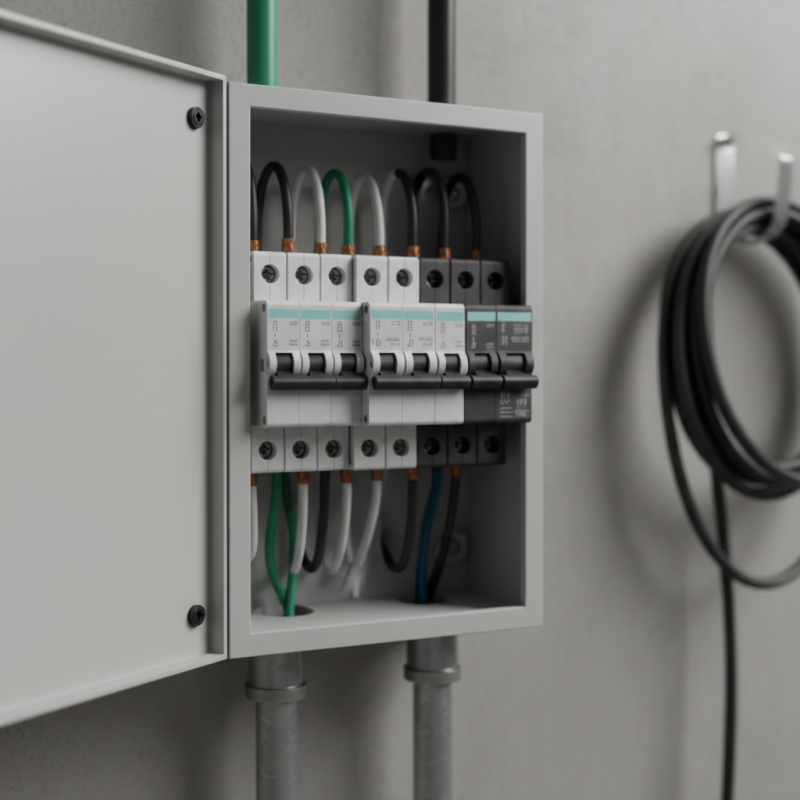
Understanding Circuit Breakers: Types and Functions
Circuit breakers play a vital role in electrical safety, serving as a critical component of home electrical systems. They come in various types, including single-pole, double-pole, and more. According to the National Electrical Manufacturers Association, over 70% of homeowners opt for single-pole circuit breakers for general lighting. These devices interrupt current flow and prevent overheating, reducing fire risks.
Single-pole circuit breakers manage 15 or 20 amps of current. They are typically used in standard residential applications like lights and outlets. Their compact design enables easy installation, making them a popular choice. However, they can only handle 120 volts, limiting their applicability for high-powered appliances. Despite their advantages, some homes may need higher capacity solutions, highlighting a gap in approach for diverse electrical needs.
Understanding the limitations of single-pole circuit breakers is essential. While they are effective for general use, certain situations require more robust options. For instance, heavy-duty appliances may benefit from multi-pole breakers. Recent surveys show that about 25% of homeowners are unaware of the type of breaker needed. This lack of awareness could lead to potential safety hazards, illustrating the importance of careful evaluation when choosing circuit breakers.
What is a 1 Pole Circuit Breaker and How Does it Work?
A 1 pole circuit breaker is a vital component in electrical systems. It protects against overloads and short circuits. This device interrupts the flow of electricity when a fault is detected. It is typically used in single-phase systems. You will find it in homes and small facilities.
When too much current flows, the circuit breaker trips. This action cuts off the power supply, preventing damage to appliances and wiring. A 1 pole circuit breaker operates on the principle of electromagnetic induction. The internal mechanism responds quickly to current changes. However, selecting the right size is crucial. An undersized breaker may trip frequently, while an oversized one could allow harmful currents to pass.
Understanding the limitations of a 1 pole circuit breaker is essential. They are suitable for general circuits but may not suffice for heavy-duty appliances. In some cases, a 2 pole breaker might be required for additional safety. Homeowners should assess their electrical loads carefully. This helps ensure adequate protection and efficiency in their electrical systems.
Advantages of Using a 1 Pole Circuit Breaker in Residential Settings
When it comes to home electrical systems, choosing the right circuit breaker is essential. A 1 pole circuit breaker is often favored for its simplicity and efficiency. This type of breaker can handle a single electrical circuit, making it ideal for lighting and other small appliances. According to the National Electrical Manufacturers Association, about 70% of residential circuits use 1 pole breakers due to their effectiveness.
One key advantage is space-saving. A 1 pole circuit breaker requires less panel space compared to multi-pole varieties. This can be crucial in homes with limited electrical panels. Additionally, they are generally more affordable. Reports indicate that homeowners can save around 15-20% on installation costs when opting for a 1 pole breaker. Despite these benefits, improper sizing or installation can lead to issues. Homeowners sometimes underestimate the load requirements, which can result in tripped breakers.
Moreover, maintenance is straightforward. A 1 pole circuit breaker typically requires fewer components and less technical know-how for replacement. However, neglecting system updates may pose risks. Aging infrastructure can lead to inefficiencies. Regular inspections are critical to ensure safety and performance. By understanding the pros and cons, homeowners can make informed decisions about their electrical systems.
Why Choose a 1 Pole Circuit Breaker for Your Home? - Advantages of Using a 1 Pole Circuit Breaker in Residential Settings
| Feature | Description | Advantages |
| Simplicity | 1 pole breakers only switch off the circuit in one phase | Easier installation and maintenance |
| Cost-effectiveness | Generally less expensive than multi-pole breakers | Lower upfront costs for budget-conscious homeowners |
| Compact Size | Occupies less space in the electrical panel | Ideal for smaller panels or tight spaces |
| Flexibility | Can be used for a variety of single-phase applications | Suitable for lighting, outlets, and small appliances |
| Safety | Provides protection against overloads and short circuits | Helps prevent electrical fires and damage to devices |
Installation Considerations for 1 Pole Circuit Breakers
When considering a 1 pole circuit breaker for your home, installation is key. Ensure you have the right tools ready. A screwdriver and wire strippers will be essential. Be familiar with the electrical panel layout. This helps in a smoother installation process.
You'll need to turn off the main power before starting. Missteps can lead to accidents. Check the circuit breaker's rating to match your specific needs. If you’re unsure, consult with a professional. Connect the wires securely, avoiding any loose connections. Use cable ties to manage excess wiring.
Remember, safety comes first. It's essential to verify that the circuit breaker is properly in place. Take the time to double-check your work. Skipping steps can lead to future issues. Each detail matters in ensuring a safe electrical system.
Comparing 1 Pole Circuit Breakers with Other Types of Breakers
When it comes to circuit breakers, a 1 pole breaker stands out for specific applications. Unlike other types, such as 2 pole or 3 pole breakers, a 1 pole breaker is ideal for single-phase circuits. This makes it particularly suitable for household lighting and receptacle circuits. According to the National Electrical Manufacturers Association (NEMA), about 80% of residential circuits can benefit from this type of breaker.
One significant advantage of 1 pole breakers is their compact size. They take less space on the panel, allowing for easier organization and potential expansion. However, they do have limitations. For larger appliances like HVAC systems, 2 pole breakers are necessary, as they handle higher loads. Moreover, if your homes have many devices, relying solely on 1 pole types may lead to overload risks, which could trigger nuisance tripping.
A study by the U.S. Consumer Product Safety Commission revealed that improper use of circuit breakers is a common issue. Often, homeowners overlook the importance of using the right type of breaker. While 1 pole breakers are advantageous for standard circuits, they can fall short in more demanding situations. Understanding your electrical needs is crucial when choosing a breaker. Ignoring this could lead to safety hazards and further complications.