Top China Best Wires and Cables for Global Buyers?
In today's global market, the demand for high-quality wires and cables, or "Провода и Кабели," is continuously increasing. This trend is driven by various industries, including construction, telecommunications, and renewable energy. China has become a prominent player in this sector, offering a wide range of products that cater to diverse needs.
Chinese manufacturers are renowned for their innovative designs and competitive pricing. They combine traditional craftsmanship with modern technology. However, not all products are created equal. Buyers must be cautious, as quality can vary significantly among suppliers. Conducting thorough research is essential.
Understanding the types of wires and cables available is crucial for making informed decisions. Different applications require specific specifications. This article aims to provide insights into the top Chinese brands that meet global standards. By exploring their offerings, buyers can identify the best options for their needs while avoiding potential pitfalls.
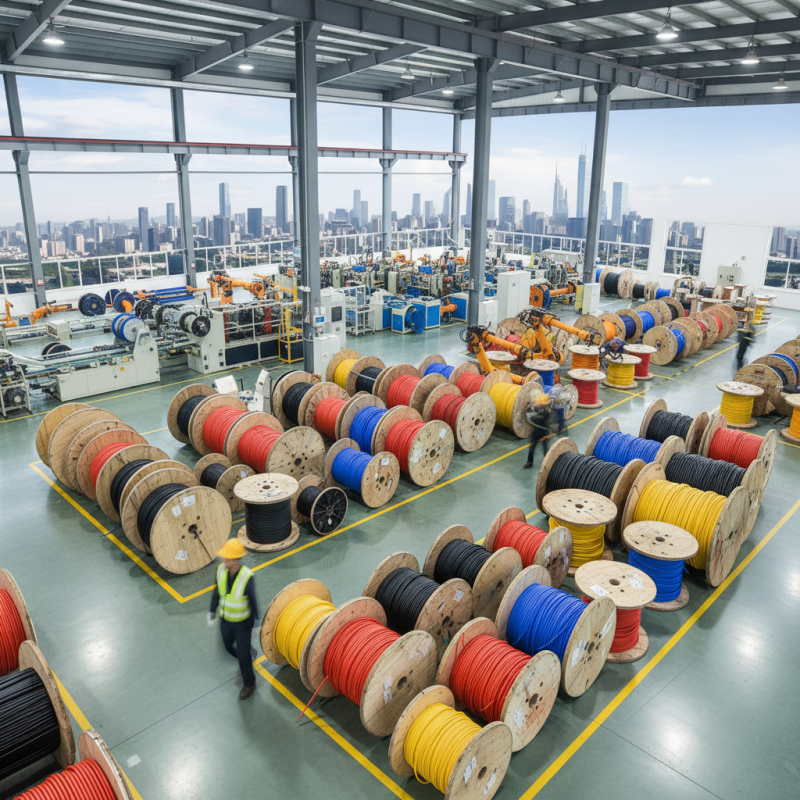
Top China Best Wires and Cables: An Overview of Global Offerings
China's wire and cable industry has become a global powerhouse. Recent reports indicate that the market is projected to reach $254 billion by 2027. This growth stems from increasing demand in sectors like renewable energy and construction. Innovations in insulated cables and high-voltage transmission are essential trends shaping this landscape.
Data from industry experts shows that over 50% of global wire and cable exports come from China. This dominance is supported by advancements in manufacturing techniques and stringent quality standards. However, environmental concerns and compliance with international regulations pose ongoing challenges. Manufacturers must balance innovation with sustainability, a task that requires attention to detail and a long-term vision.
As global buyers seek reliable suppliers, understanding the nuances of the Chinese market is crucial. Quality assurance is a top priority, but price competitiveness remains a vital factor. While Chinese producers excel in scale, the reliance on low-cost materials can lead to concerns over durability. Buyers should conduct thorough assessments to ensure compliance with their specific quality requirements.
Key Manufacturers in China's Wire and Cable Industry: A Market Snapshot
China's wire and cable industry plays a significant role in the global market. As of 2022, the industry was valued at approximately $150 billion, reflecting a robust growth trend. Recent reports indicate a compound annual growth rate (CAGR) of 5.6% projected through 2027. This growth is driven by increasing infrastructure investment and the expanding energy sector.
Several key manufacturers are shaping this landscape. They focus on producing high-quality cables for power transmission, telecommunications, and construction. Many companies have moved towards automation to enhance efficiency. Yet, the reliance on raw material prices creates vulnerabilities. Fluctuations in copper and aluminum costs can significantly impact profit margins.
Additionally, sustainability is becoming a focal point. Manufacturers are investing in eco-friendly materials and production processes. However, navigating regulatory landscapes remains a challenge. There's a need for more transparency regarding sourcing and environmental impact. This complex market requires global buyers to stay informed and adaptable. Understanding these dynamics is crucial for effective procurement strategies.
Quality Standards in Wires and Cables: Compliance and Certifications
When selecting wires and cables, compliance with quality standards is crucial. Various certifications ensure products meet safety and performance requirements. Buyers must verify these certifications to avoid substandard materials. Many manufacturers adhere to international standards like IEC, UL, and ISO. However, not all suppliers provide transparent information.
Examining certificates can initially seem daunting. The sheer number of labels can confuse even experienced buyers. Each certification represents specific testing and quality assurance methods. It's essential to research the relevance of these standards. Look for compliance documents that detail the testing process. This adds a layer of reliability.
Some manufacturers may claim adherence to standards but fail to deliver. Inconsistent quality may arise from inadequate tests or shortcuts in production. Buyers should be cautious. Engaging with credible suppliers who openly discuss their compliance is key. Building trust takes time, and asking questions is part of this process. Aim for a partnership where transparency thrives.
Market Trends: The Growing Demand for Eco-Friendly Cable Solutions
The demand for eco-friendly cable solutions is rapidly increasing worldwide. Buyers are seeking sustainable materials that reduce environmental impact. This shift is driven by both consumer preferences and regulatory pressures. The industry is responding with innovative designs and greener manufacturing processes.
Manufacturers are exploring biodegradable materials and recyclable options. Traditional materials often contribute to pollution, making this transition vital. Many companies are adjusting their supply chains to prioritize sustainability. However, challenges remain in balancing cost and performance. While the market embraces eco-friendliness, some materials still fall short in efficiency.
Eco-friendly cables can also face scrutiny regarding durability. Buyers must assess the long-term value of these products. Reviewing certification and performance data becomes crucial. Clear communication about material sourcing and production methods is essential. As the market evolves, transparency will boost confidence among global buyers.
Top China Best Wires and Cables for Global Buyers
Export Statistics: China's Contribution to Global Wire and Cable Trade
China plays a pivotal role in the global wire and cable trade. Recent statistics reveal that China accounted for over 45% of the global market share in 2022. This figure is significant, considering the ever-increasing demand for electrical infrastructure worldwide. In the same year, China's exports of wires and cables reached approximately $31 billion, reflecting a growth trend that emphasizes its manufacturing capabilities.
The industry’s composition is diverse. China produces a vast array of cables ranging from low-voltage power cables to high-end telecommunications products. Data from 2021 indicated that around 30% of China's exports were related to fiber optic cables, demonstrating technological advancements. This sector has attracted international buyers seeking high-quality products at competitive prices.
However, challenges persist. The industry faces scrutiny regarding quality standards and environmental regulations. Reports indicate that nearly 20% of Chinese manufacturers need improvement in compliance with international norms. Continued oversight and investment in sustainable practices are crucial for maintaining global trust and market leadership. The balance between expansion and accountability remains a critical discussion point among industry experts.
Top China Best Wires and Cables for Global Buyers
| Category | Export Volume (Million USD) | Total Exports (Metric Tons) | Top Import Regions |
| Copper Wires | 1500 | 100000 | North America, Europe, Asia |
| Aluminum Cables | 1200 | 80000 | Asia, Africa, South America |
| Optical Fiber Cables | 800 | 50000 | Europe, Oceania, North America |
| Low Voltage Wires | 900 | 60000 | Asia, Europe, Africa |