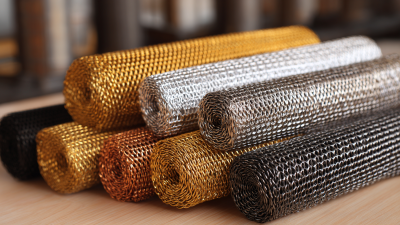
What is Cable Mesh and How It Revolutionizes Modern Construction
In the rapidly evolving landscape of modern construction, innovation is key to enhancing structural integrity and sustainability. One such advancement that has gained significant traction is cable mesh. This flexible, high-strength material has redefined traditional building practices by offering a combination of durability, lightweight characteristics, and adaptability.
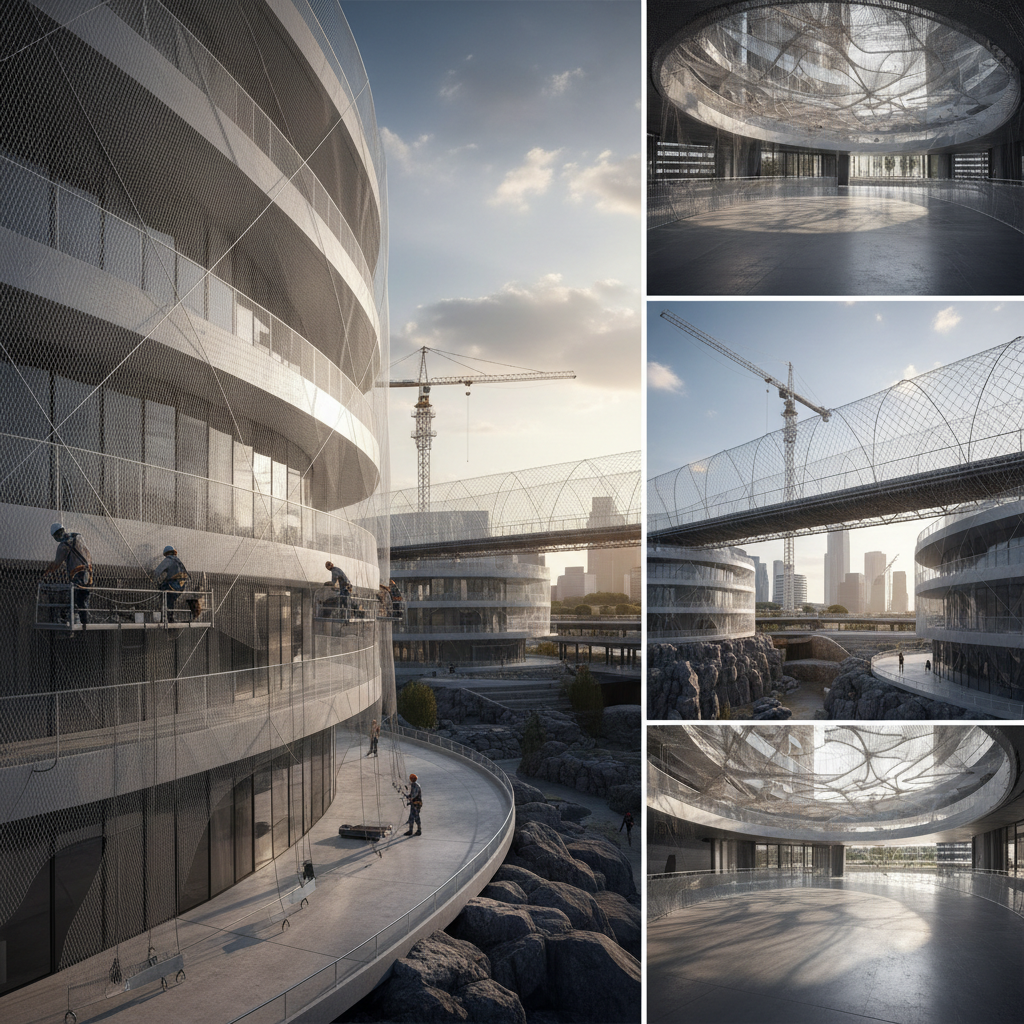 Cable mesh serves as a reinforcement solution that integrates seamlessly with various construction applications, providing enhanced safety and performance.
Construction professionals are increasingly turning to cable mesh for its myriad benefits, making it a game-changer in the industry. Whether used in bridges, facades, or interior design, this versatile mesh system allows for architectural freedom while minimizing the use of steel and concrete. As we explore the different aspects of cable mesh in the subsequent sections, we'll delve into its unique properties, practical applications, and the transformative impact it has on current and future construction projects.
Embrace the digital age of construction as we uncover essential tips on leveraging cable mesh to revolutionize not just buildings, but the way we think about construction altogether.
Understanding Cable Mesh: Definition and Composition
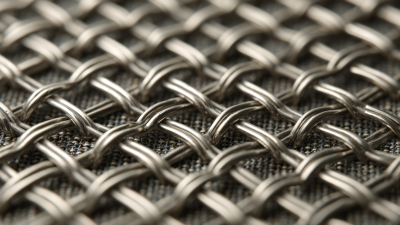
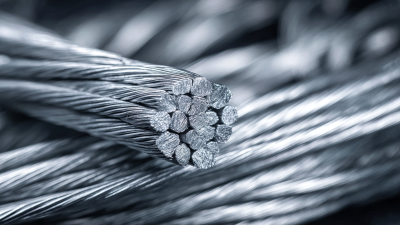
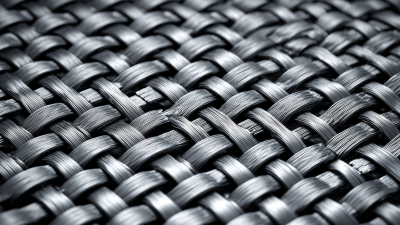
Cable mesh is a sophisticated construction material known for its unique composition and structural benefits. Defined as a system of interconnected steel cables arranged in a grid-like structure, cable mesh offers high tensile strength and flexibility. This innovative design is typically made from high-strength steel cables, which are woven together to create a robust, lightweight network. The versatility of cable mesh allows it to be used in a variety of applications, from industrial buildings to modern architecture, where both aesthetic appeal and structural integrity are crucial.
The composition of cable mesh is critical to its performance in construction. The steel cables used in cable mesh are often treated to resist corrosion, ensuring durability even in harsh environments. Additionally, the mesh can be customized in terms of spacing and thickness to meet specific engineering requirements. This adaptability makes cable mesh an ideal choice for projects that demand innovative solutions to complex structural challenges. Its ability to distribute loads evenly while maintaining a sleek profile has made it a game-changer in the realm of modern construction.
The Advantages of Cable Mesh in Structural Stability and Flexibility
Cable mesh has emerged as a transformative material in modern construction, primarily due to its unique advantages in structural stability and flexibility. This innovative mesh system, made from high-strength cables, provides exceptional load distribution and resistance to deformation under various environmental stresses. Its lightweight nature allows for easier handling and installation, making it an ideal choice for projects that require both durability and efficiency.
One of the standout benefits of cable mesh is its adaptability in different architectural designs. Unlike traditional materials that may limit design possibilities, cable mesh can be tailored to fit a range of applications, from bridges to multi-story buildings. Its flexibility enables structures to withstand dynamic forces, such as wind or seismic activities, reducing the risk of catastrophic failures. As a result, engineers and architects are increasingly utilizing cable mesh to create safer, more resilient infrastructures that meet the demands of contemporary urban environments.
Innovative Applications of Cable Mesh in Modern Construction Projects
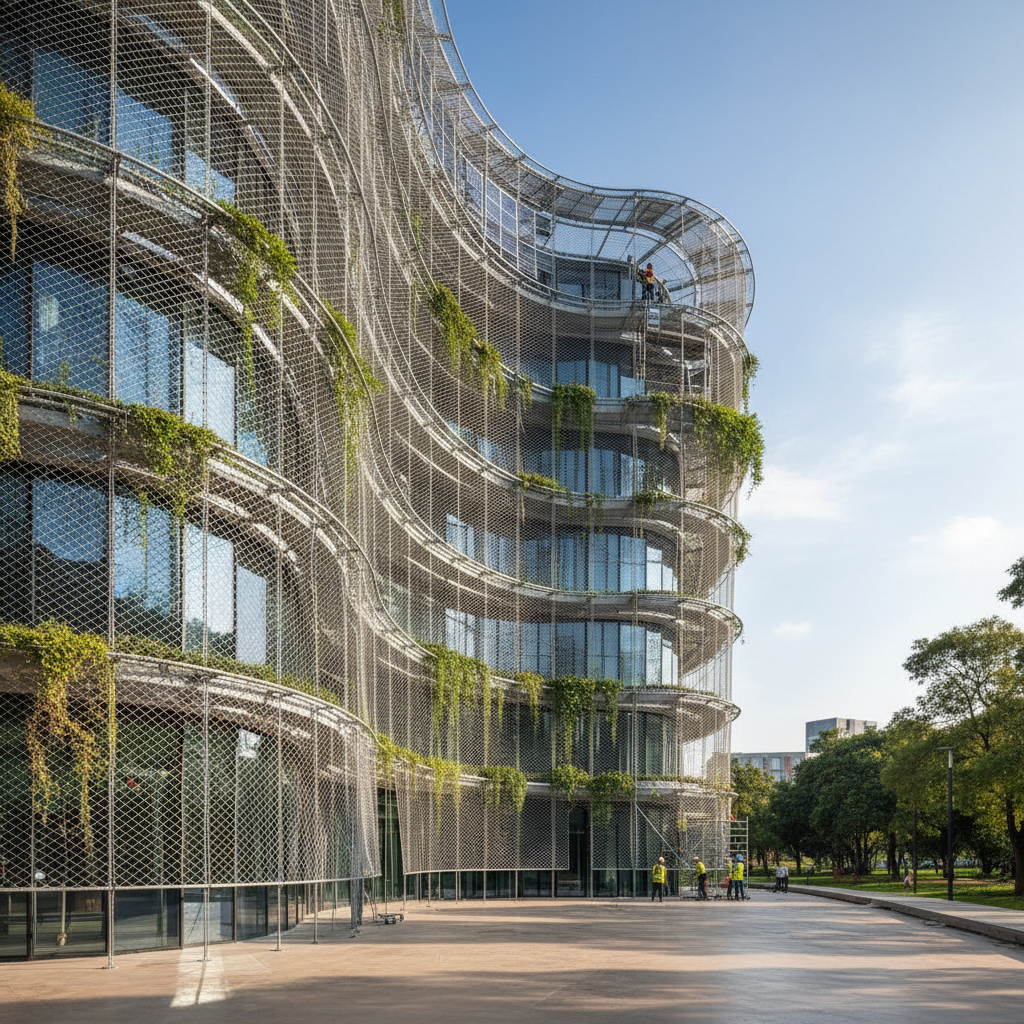
Cable mesh has emerged as a transformative material in modern construction, offering innovative solutions across various projects. One of its most notable applications is in architectural façades, where its lightweight and flexible nature allows architects to create stunning, intricate designs that were previously impossible with traditional materials. The perforated structure of cable mesh enhances aesthetic appeal while also providing optimal light penetration and ventilation, making it ideal for modern urban buildings that prioritize sustainability.
In addition to façades, cable mesh is extensively utilized in reinforcement applications, both in concrete and masonry construction. Its superior tensile strength and flexibility allow it to distribute loads effectively, preventing structural failures. Moreover, cable mesh is increasingly being employed in landscaping projects, serving as protective barriers and retaining structures. The versatility of cable mesh not only ensures durability and safety but also contributes to the overall aesthetic of the landscape, demonstrating its multifaceted role in contemporary construction practices.
Innovative Applications of Cable Mesh in Modern Construction Projects
Environmental Benefits of Using Cable Mesh in Sustainable Building
Cable mesh has emerged as a game-changer in modern construction, particularly due to its environmental benefits in sustainable building practices. Made from high-tensile steel wires, cable mesh systems are lightweight yet incredibly strong, allowing for reduced material use and minimized waste. This innovative approach not only conserves resources but also enhances the efficiency of construction processes, ultimately contributing to a lower carbon footprint.
When considering the integration of cable mesh in your building projects, aim for a design that maximizes natural light and ventilation. This will not only create a pleasant living environment but also reduce energy consumption for heating and cooling. Additionally, sourcing cable mesh from manufacturers that practice recycled materials can further enhance your project’s sustainability.
Choosing cable mesh can also promote biodiversity in urban areas. By incorporating green spaces with cable mesh structures, you can create habitats for wildlife, helping to mitigate the urban heat island effect. Remember to engage with landscape architects to design spaces that harmoniously blend nature with architecture, offering both aesthetic appeal and ecological benefits.
Future Trends: The Evolving Role of Cable Mesh in Architecture and Engineering
The evolving role of cable mesh in architecture and engineering is seeing significant transformation, underpinned by advancements in material science and design methodologies. As reported in the "Global Wire Rope Mesh Market Analysis" by ResearchAndMarkets, the wire mesh sector is projected to grow at a compound annual growth rate (CAGR) of 7.2% through 2027. This growth reflects an increasing demand for innovative building solutions that prioritize aesthetics and functionality. Architects and engineers are leveraging cable mesh systems for their lightweight properties and high tensile strength, allowing for remarkable structures with expansive open spaces.
Moreover, cable mesh is being integrated into sustainable architectural practices, aligning with the growing trend towards eco-friendly construction. According to a report by MarketsandMarkets, the green building materials market is expected to reach $412 billion by 2027, with cable mesh playing a crucial role in energy-efficient designs. By facilitating natural ventilation and allowing for optimal light penetration while reducing energy costs, cable mesh contributes to creating sustainable environments. As technologies advance, the intersection of cable mesh with smart building solutions may further redefine architectural possibilities, embedding intelligent systems within stunning designs that respond dynamically to their environment.
What is Cable Mesh and How It Revolutionizes Modern Construction
| Aspect |
Description |
Future Trends |
| Material Composition |
High-strength steel cables woven into a mesh structure |
Increasing use of composite materials for enhanced durability |
| Applications |
Facade design, structural reinforcement, and safety solutions |
Growing trends in sustainable architecture and green building |
| Benefits |
Lightweight, flexible, and strong, allowing for innovative designs |
Enhanced focus on biophilic design integrating natural elements |
| Challenges |
Cost and complexity of installation |
Technological advancements aimed at reducing manufacturing costs |
| Regulatory Standards |
Compliance with safety and structural integrity codes |
Evolving regulations to focus on sustainability and resilience |