2026 Best Woven Wire Options for Global Buyers?
The woven wire industry is evolving rapidly, presenting numerous options for global buyers in 2026. Recent reports suggest a steady growth rate of 6% annually in the demand for woven wire products. This increase is driven by various sectors, including construction, agriculture, and manufacturing. According to industry expert Dr. Emily Chen, "Woven wire is becoming crucial for innovative applications across multiple industries."
In today's market, woven wire can be customized to fit specific needs. Options include various materials, mesh sizes, and coatings, catering to diverse applications from fencing to filtration. However, as buyers expand their choices, challenges such as quality control and supplier reliability must be addressed. The market's competitive landscape can also complicate decision-making.
With so many woven wire options available, it can be overwhelming for buyers. Research and due diligence are essential. Not all suppliers meet the same standards, and not every product is equally effective. Reflecting on the specifics of each woven wire option is critical. In a market with both established brands and new entrants, informed decisions can mean the difference between success and setback for businesses.
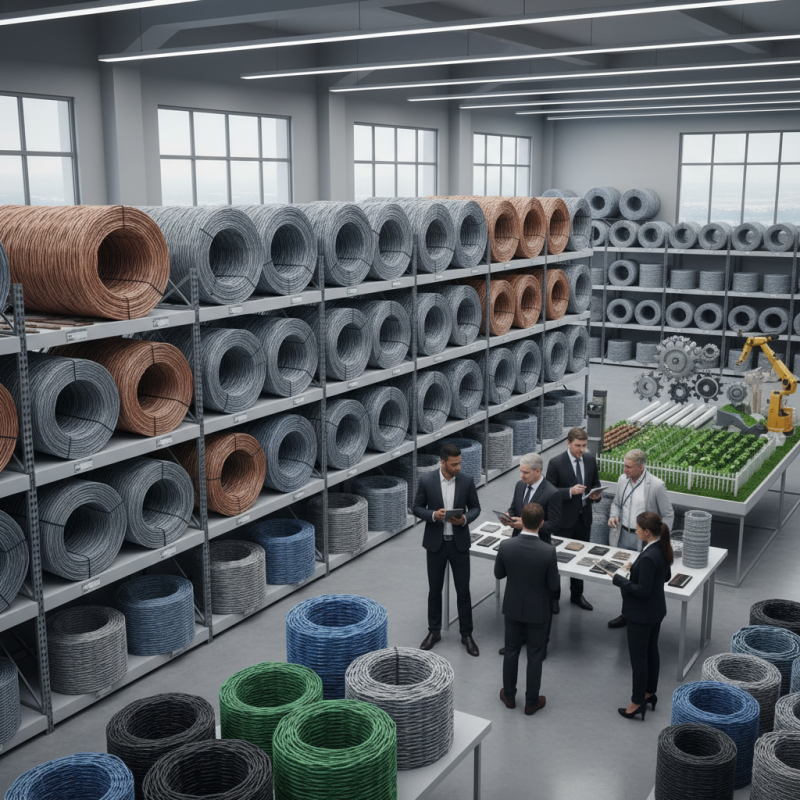
Overview of Woven Wire Products and Their Applications
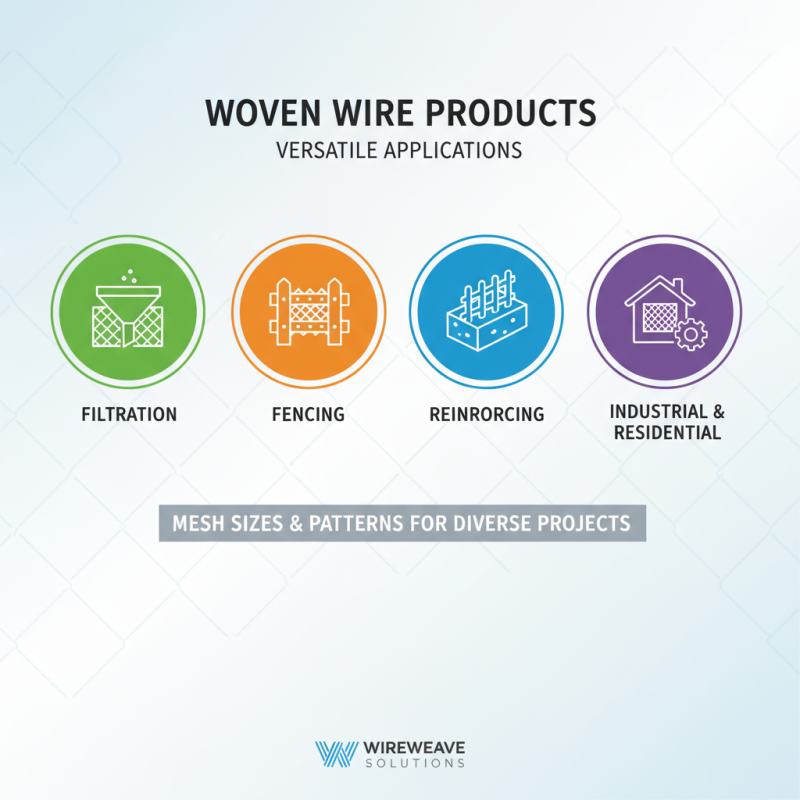
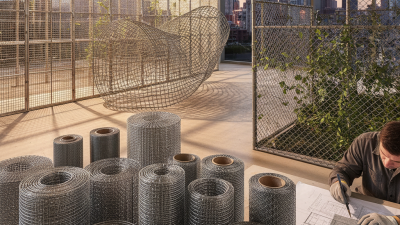
Woven wire products have a wide range of applications across various industries. These versatile materials can be used for filtration, fencing, reinforcing, and more. Their unique structure allows for different mesh sizes and patterns, making them suitable for both industrial and residential projects.
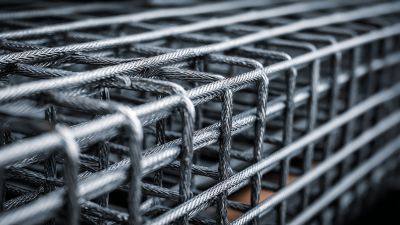
In construction, woven wire offers essential support and stability. It is commonly used in concrete reinforcement. The durability of these materials ensures long-lasting results, but improper usage can lead to issues. For instance, choosing the wrong gauge can compromise strength.
In agriculture, woven wire fencing serves multiple purposes. It protects crops and livestock from predators. However, maintaining the fences can be a challenge, requiring regular checks and repairs. A lack of maintenance might lead to breakdowns. This highlights the importance of careful selection and usage throughout the supply chain.
Key Features to Consider When Selecting Woven Wire Options
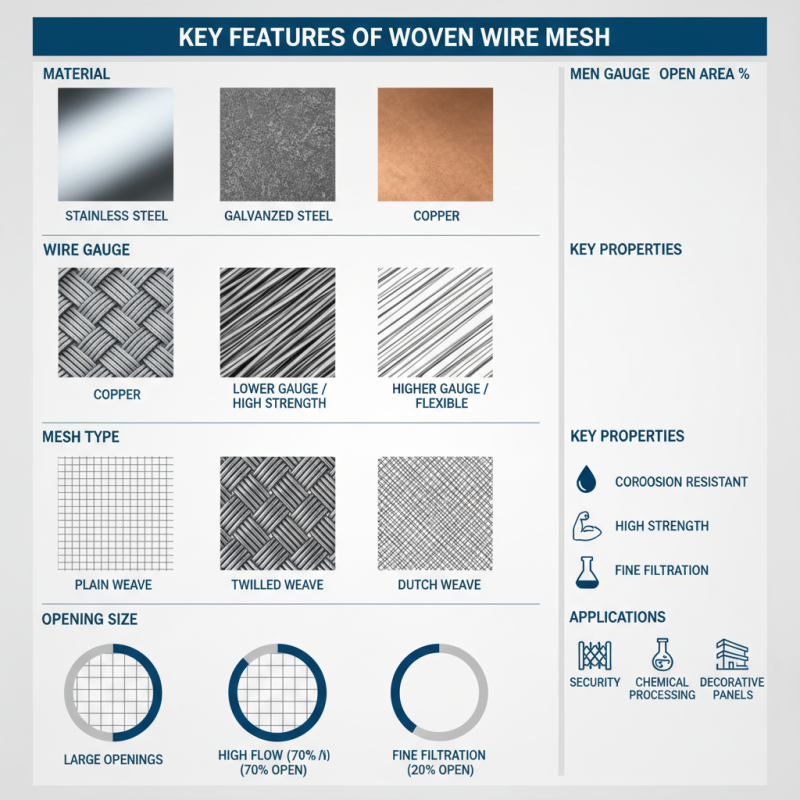
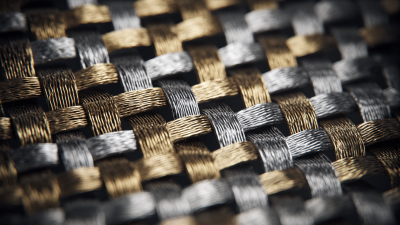
When selecting woven wire options, there are several key features to consider. First, consider the material used. Stainless steel and galvanized steel are common choices. Each type has specific benefits that affect durability and corrosion resistance. You should also evaluate the wire gauge. Thicker wires provide better strength, while thinner wires offer flexibility.
Next, think about the mesh pattern. Different patterns cater to varying applications. A tighter mesh can improve containment, while a looser weave may enhance airflow. Additionally, the spacing between wires impacts the overall performance. Too wide a gap could lead to material loss in certain applications.
Lastly, pay attention to the finish. A well-applied coating can enhance longevity. However, some finishes might wear over time. It’s essential to reflect on the environment where the wire will be used. Indoor and outdoor settings require different considerations. Not every option will meet every need, and sometimes, compromises are necessary. Evaluating these aspects can help buyers make more informed choices.
Top Manufacturers and Suppliers of Woven Wire Globally
The woven wire industry is critical for various applications, including construction, agriculture, and filtration. According to a recent market analysis, the global woven wire market is expected to grow at a CAGR of over 5% from 2021 to 2026. This growth reflects increased demand across diverse sectors. Key players are adapting to these trends by innovating their product offerings.
A prominent factor shaping the market is the rising need for durable and high-performance materials. Manufacturers are increasingly investing in advanced production technologies. This evolution is essential for meeting specific industry standards and customer expectations. For instance, stainless steel woven wire is gaining traction due to its corrosion resistance and durability.
However, challenges remain. The supply chain for woven wire faces volatility, especially due to raw material price fluctuations. Also, quality control and consistency can vary significantly among suppliers. Buyers must research and select partners who demonstrate reliability and adherence to quality standards. The complexity of this landscape highlights the importance of thorough market analysis. Keeping abreast of emerging trends is crucial for making informed decisions in this evolving market.
Comparative Analysis of Woven Wire Types and Materials
When exploring woven wire types, materials significantly influence functionality and durability. Stainless steel is a popular option, known for its resistance to corrosion. According to a recent industry report, stainless steel woven wire can last up to 30 years in harsh environments. However, its cost can be a limiting factor for some projects, making it crucial to evaluate budget constraints alongside performance needs.
Aluminum is another common material. It offers a lightweight alternative that typically costs less than stainless steel. Aluminum wire mesh is versatile and effective in various applications, from filtration to fencing. Nevertheless, it lacks the strength and longevity of stainless steel. A comparative analysis reveals that while aluminum can suffice for short-term applications, its performance may diminish over time, raising questions about long-term investments.
Plastic-coated wire offers a different solution. It combines a sturdy metal core with a protective coating, improving resistance to environmental factors. This option is favored in agricultural settings due to its flexibility and ease of installation. Despite its advantages, the plastic coating can wear down, exposing the metal underneath. Thus, regular inspections are necessary to maintain effectiveness. Selecting the right woven wire type requires careful consideration of the specific application, environment, and budget constraints.
2026 Best Woven Wire Options for Global Buyers
Future Trends in the Woven Wire Market for International Buyers
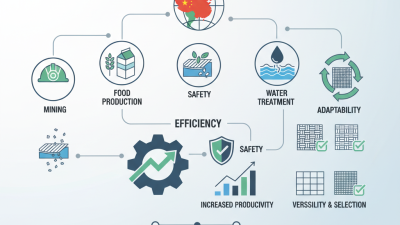
The woven wire market is evolving. By 2026, international buyers will see significant changes. Advancements in technology are leading the way. Manufacturers are focusing on sustainable materials. This shift is crucial for long-term growth.
Consumer preferences are also changing. Buyers seek durability and versatility in woven wire products. Innovations in design will cater to these demands. Companies are experimenting with new weaving techniques. This creativity could enhance product appeal and performance.
However, challenges remain. Supply chain disruptions and cost fluctuations can impact availability. Buyers should stay informed about market trends. Continuous education will be necessary to make informed decisions. Adaptability will be key for success in this competitive landscape.