Best Woven Mesh Options for Global Buyers in 2026?
In 2026, the demand for woven mesh products is expected to surge. Buyers around the globe will seek options that meet their industry needs. Woven mesh offers versatility and durability across various applications, from construction to agriculture.
Understanding the best woven mesh options requires knowledge of materials and manufacturing techniques. Buyers must navigate a myriad of choices, each with unique advantages. Quality woven mesh can enhance product performance but may come at a higher cost.
As the market evolves, it is essential to reflect on previous purchasing decisions. Have your choices been driven by budget constraints alone? It’s vital to prioritize long-term value alongside cost. Global buyers should consider factors like customization, sustainability, and supplier reliability when selecting woven mesh solutions.
Overview of Woven Mesh Types Available for Global Markets in 2026
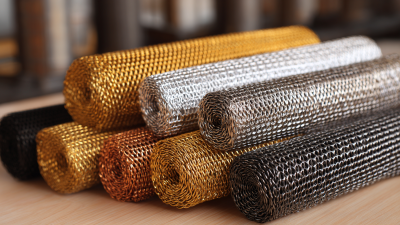
Woven mesh materials are essential in various global industries. These materials come in different types, each serving unique purposes. For example, stainless steel mesh is known for its durability. It's ideal for filtration and separation processes. In contrast, nylon mesh offers flexibility. This makes it suitable for applications in the food industry.
Another significant type is fiberglass mesh. It is lightweight yet strong, often used in construction. The versatility of woven mesh allows for customization in dimensions and density. Many suppliers can modify specifications to meet buyer needs. Some buyers might face challenges in determining the best type. Testing samples before making bulk purchases can be beneficial.
Quality matters greatly in woven mesh products. Not all manufacturers adhere to the same standards. Researching suppliers and asking for certifications can help. Buyers should also consider the impact of material sourcing on sustainability. Balancing performance and eco-friendliness is crucial as markets grow more conscious of their choices. It's worth reflecting on how decisions made today will affect future industries.
Best Woven Mesh Options for Global Buyers in 2026
| Mesh Type |
Material |
Applications |
Mesh Size (mm) |
Global Demand Trend |
| Plain Weave |
Stainless Steel |
Food Processing, Chemical |
0.5 - 25 |
Stable Growth |
| Dutch Weave |
Bronze |
Filtration, Mining |
1 - 15 |
Increasing Demand |
| Twill Weave |
Aluminum |
Aerospace, Automotive |
2 - 30 |
Moderate Growth |
| Square Mesh |
Polyester |
Construction, Agriculture |
3 - 10 |
Stable Demand |
| Hexagonal Mesh |
Galvanized Steel |
Fencing, Poultry |
10 - 100 |
Consistent Demand |
Key Factors Influencing Woven Mesh Selection for Global Buyers
In 2026, global buyers will face important choices in woven mesh selection. Key factors will greatly influence their decisions. According to the Global Woven Mesh Market Report, the market size is projected to reach $2.5 billion by 2026, highlighting an increasing demand. Buyers should consider application, material, and durability, as these elements significantly impact performance.
Material selection is critical. Polyester and nylon are popular due to their strength and flexibility. However, buyers must evaluate environmental impacts. Biodegradable options are emerging, but may lack the same durability as traditional materials. Consumer preferences are shifting towards sustainability, making this a vital consideration.
Durability remains a key concern. Many woven meshes struggle in harsh conditions. Buyers should examine UV resistance and tensile strength. A recent industry survey indicated that 70% of respondents prioritize these factors. Reflecting on the technical specifications may seem tedious, yet it is essential for making informed choices. Careful assessment now can prevent costly issues later.
Top Manufacturers and Suppliers of Woven Mesh in 2026
As global demand for woven mesh continues to grow, finding reliable manufacturers and suppliers becomes essential. In 2026, buyers should prioritize companies that demonstrate expertise and quality in their products. Assessing a supplier's background, production methods, and industry reputation is crucial. Many manufacturers have adapted to new technologies, enhancing fabric durability and functionality.
When selecting woven mesh, consider the specific application. Different projects require varied mesh sizes and types. Construction, agriculture, and filtration industries each benefit from specialized mesh solutions. Always check for compliance with international quality standards. It ensures the products you purchase meet necessary safety protocols.
Tips for buyers: Reach out to multiple suppliers. Compare their materials, prices, and lead times. Look for customer reviews. Engage with industry professionals for recommendations. Staying informed on the latest trends will help you make better purchasing decisions. Continuous research can reveal new players in the market who may offer innovative solutions.
Innovative Trends and Technologies in Woven Mesh Production
As woven mesh continues to gain traction across various industries, innovative trends are shaping its production. In 2026, the global demand for woven mesh is projected to reach $12 billion, driven by applications in construction, automotive, and healthcare. The rise of lightweight, durable materials means manufacturers are exploring new fibers and weaves, which can enhance functionality while reducing costs.
One key trend is the integration of smart technologies. Mesh fabrics embedded with sensors can monitor environmental conditions, ensuring structural integrity in real-time. A recent report from the Global Textile Association indicates that smart textiles are expected to grow by 25% annually. This indicates a shift towards more adaptable products that cater to modern needs.
Sustainability is a growing focus in woven mesh production. More companies are investing in eco-friendly materials. However, challenges remain in sourcing sustainable fibers and managing waste. An industry analysis reveals that only 30% of woven mesh businesses currently use recycled materials. This highlights the need for greater commitment and innovation to improve sustainability practices.
Sustainability Considerations for Woven Mesh Purchases in 2026
When considering the purchase of woven mesh in 2026, sustainability should be at the forefront. Many materials used in mesh production can harm the environment. Choosing options that prioritize eco-friendly materials is essential for responsible sourcing. Many buyers are now looking for suppliers who utilize recycled or biodegradable materials. This shift reflects a broader trend toward sustainability across various industries.
Tips: Research suppliers' sustainability practices. Look for detailed information on their production methods. Request transparency regarding their sourcing of materials. Understanding these processes ensures your purchase supports environmental responsibility.
Many companies still struggle with sustainable practices. The challenge lies in balancing costs and ecological responsibility. Often, lower-priced options neglect sustainability, leading to long-term environmental damage. It's crucial to assess the trade-offs associated with cheap imports versus ethically sourced materials.
Tips: Assess the lifecycle of the mesh. See how long it performs sustainably. A longer lifespan often means a lesser environmental impact over time. Prioritize quality over quantity in your purchase decisions.
Best Woven Mesh Options for Global Buyers in 2026
This chart illustrates the projected market share of different woven mesh materials in 2026, highlighting the sustainability considerations influencing buyers' decisions. The materials include Polyester, Nylon, Natural Fiber, and Metal. Sustainable practices and eco-friendly alternatives are projected to drive demand in the coming years.