Best Wire Mesh for Your Needs in 2026 What to Look For?
In 2026, choosing the right wire mesh becomes essential for various applications. The market offers numerous options, making it challenging to find the best fit. Wire mesh serves multiple purposes and can be used in construction, agriculture, and industrial processes.
When selecting wire mesh, consider materials, gauge, and spacing. The right choices impact durability and functionality. For example, stainless steel wire mesh resists rust, ideal for outdoor use. A finer mesh may provide better protection for small animals or insects.
It's also important to assess your specific needs. Sometimes, a cheaper option may lead to issues down the line. Reflect on the quality versus cost; this balance often determines long-term satisfaction. Evaluating these factors ensures you make the best decision for your wire mesh needs in 2026.
Understanding Wire Mesh Types and Their Applications
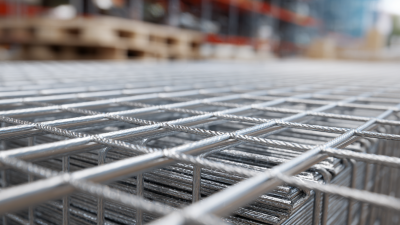
When choosing wire mesh, understanding its types and applications is crucial. Wire mesh comes in various forms, each suited for different tasks. For instance, welded wire mesh offers strength and stability. It works well for construction projects and as fencing. In contrast, woven wire mesh provides flexibility. It is often used in screens and filtration systems.
Another type is hexagonal wire mesh. This is popular for agricultural uses, like keeping animals in. The size of the openings can vary significantly. Larger gaps are useful for venting, while smaller ones prevent the escape of small creatures. Each choice reflects a balance between functionality and cost.
Not every wire mesh suits every situation. You must consider the environment where it will be used. Will it face corrosion? Is it needed for high-strength applications? Testing various materials helps. Often, compromises arise between price and performance. This can be frustrating but is necessary for long-term satisfaction. Each project reveals something new about the right mesh choice. Embrace these lessons to make informed decisions.
Key Factors to Consider When Choosing Wire Mesh
When selecting the right wire mesh for your needs, several factors must be considered. First, the material used in the wire mesh is crucial. Stainless steel, for instance, is known for its corrosion resistance. It performs well in harsh environments. According to industry reports from Market Research Future, the demand for stainless steel wire mesh is expected to grow by 4.5% annually. This growth reflects its versatility across various sectors.
Mesh size is another significant factor. A tighter mesh may offer better filtration but can restrict airflow. On the other hand, a looser mesh allows for better drainage but may not filter fine particles effectively. A study from the Industrial Wire Research Institute highlights that 60% of mesh failures occur due to incorrect size selection. Understanding the specific application will guide this choice.
Lastly, consider the gauge of the wire. Thicker wires enhance strength and durability but may also add weight. Conversely, thinner wires reduce weight, which can be beneficial in temporary structures. A balance must be struck based on the intended use. Not every mesh type meets all needs; it’s a fine-tuning process that can sometimes lead to regrets later.
Best Wire Mesh for Your Needs in 2026 - Key Factors to Consider When Choosing Wire Mesh
| Type of Wire Mesh |
Material |
Mesh Size (openings per inch) |
Wire Diameter (gauge) |
Strength Rating |
Best Use Cases |
| Welded Wire Mesh |
Low Carbon Steel |
1 x 1 |
14 |
Moderate |
Fencing, Reinforcement |
| Expanded Metal |
Aluminum |
Diamond (Openings) |
16 |
High |
Grating, Security |
| Stainless Steel Wire Mesh |
Stainless Steel 304 |
1/4 x 1/4 |
18 |
Very High |
Food Processing, Marine |
| Chain Link Fence |
Galvanized Steel |
2 x 2 |
11 |
Moderate |
Residential, Commercial Fencing |
| Decorative Wire Mesh |
Brass |
1/2 x 1/2 |
20 |
Low |
Interior Design, Crafts |
Comparative Analysis of Materials Used in Wire Mesh
When selecting wire mesh materials, it's essential to consider specific properties.
Steel, for instance, offers high strength and durability. According to a report by the International Wire and Cable Trade Association, steel wire mesh can withstand heavy loads and resist deformation. However, it may be susceptible to rust without proper coatings.
Aluminum wire mesh is another option.
Lightweight and corrosion-resistant, it’s ideal for applications where weight is a concern. A study from the Aluminum Association indicates that aluminum can be up to 70% lighter than steel, offering significant advantages in transportation. Yet, one must consider its lower tensile strength compared to steel, which could lead to potential failures under extreme conditions.
Fiberglass mesh presents a different set of benefits. It is non-conductive and resistant to chemical damage. Reports from the Fiber Glass Producers indicate that fiberglass mesh retains structural integrity even in harsh environments. However, it can be brittle and may not handle heavy impact as well as metal options. Each material has unique strengths and weaknesses, requiring careful evaluation for specific needs.
Future Trends in Wire Mesh Manufacturing for 2026
As we look toward 2026, the wire mesh manufacturing industry is evolving. New technologies are shaping production methods. Automation is becoming more prominent. This shift aims to increase efficiency and reduce costs. However, it also raises concerns about job displacement in some sectors. Balancing advancement with workforce needs is critical.
Sustainability is a growing focus. Manufacturers are exploring eco-friendly materials for wire mesh. These materials can reduce environmental impact. Yet, the challenge remains to ensure quality and strength. Some traditional materials may still outperform new, greener options. It's essential to evaluate trade-offs carefully.
Customization is another trend gaining traction. Clients are asking for specialized solutions. This demand pushes manufacturers to innovate rapidly. Still, over-customization may lead to supply chain complications. Finding the sweet spot between flexibility and efficiency is key. The future of wire mesh is complex, highlighting a mix of opportunities and challenges.
Top Brands and Products in Wire Mesh for Various Needs
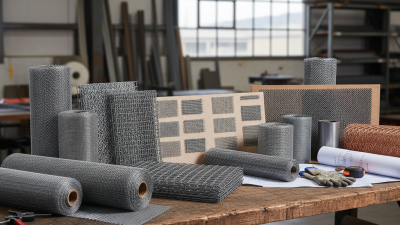
When searching for the ideal wire mesh, understanding the different types available is crucial. Wire mesh can vary in material, gauge, and weave pattern. Common choices include welded wire, woven wire, and expanded metal. Each type serves distinct purposes, from fencing and security to industrial applications. According to industry reports, the demand for wire mesh is projected to increase by 5% annually through 2026. This growth highlights the importance of selecting the right product to meet specific needs.
When evaluating products, consider the material's durability and resistance. Stainless steel mesh offers excellent corrosion resistance. Galvanized options provide a cost-effective alternative with decent lifespan. For those needing flexibility, nylon or polypropylene mesh is worth a look. Remember, not all mesh is created equal. Each type's strength and flexibility depend on the mesh size and the wire gauge used. Regular testing can reveal weaknesses in materials that may not be immediately obvious.
Tips: Always check the product specifications. Ensure they meet your project's requirements. When possible, request samples before making a large purchase. Additionally, engage with suppliers to gain insight on their most popular products based on current market trends. Being informed helps you make better decisions.
Wire Mesh Types Comparison for Various Needs in 2026