What Is the Best Stainless Wire Mesh from China?
Choosing the best stainless wire mesh from China requires more than comparing prices or counting product photos. The right choice depends on alloy grade, wire diameter, mesh opening, weaving accuracy, surface finish, and service conditions. A mesh used beside saltwater needs different protection from one installed inside a dry filtration cabinet. Small details matter.
The International Stainless Steel Forum reported global stainless steel production at approximately 58.4 million tonnes in 2023, with China remaining the largest producing region. This scale supports China’s broad manufacturing capacity, but volume alone does not guarantee dependable mesh. The ISO 9044 standard identifies important requirements for industrial woven wire cloth, including mesh count, wire diameter, aperture, and inspection methods. ASTM E2016 also provides recognized terminology for industrial wire cloth. These references help buyers assess evidence instead of trusting vague claims.
Look closely.
A reliable supplier should provide material certificates, production records, dimensional inspection data, and samples from the actual batch. Grade 304 suits many general applications, while 316 offers stronger resistance in chloride-rich environments. However, alloy selection can still fail when cleaning chemicals, heat, or abrasion are ignored. Engineers should check aperture tolerance under a measuring microscope, not only by hand. They should also confirm whether the mesh is plain woven, twill woven, welded, or sintered.
This guide examines how to compare Chinese manufacturers, verify stainless wire mesh quality, and match specifications with real operating conditions. “Best” is not always the finest-looking roll. Sometimes, a less expensive mesh performs better because its opening, strength, and corrosion resistance fit the application more precisely. That is worth questioning.
What Defines the Best Stainless Steel Wire Mesh?
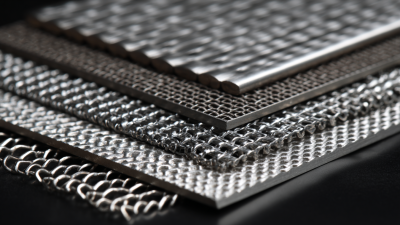
The best stainless steel wire mesh is defined by performance, not appearance alone. A bright surface can still hide inconsistent openings or weak welds. For demanding filtration, construction, or food-processing work, material grade matters. Common choices include 304 and 316 stainless steel. Grade 316 usually offers stronger resistance in salty or chemical environments.
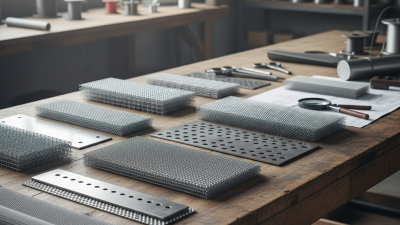
Wire diameter and aperture must match the actual task. A small error can reduce flow or allow unwanted particles through. Weave accuracy, tensile strength, edge quality, and flatness also deserve attention. Reliable suppliers should provide material certificates, inspection records, and clear tolerance data. Sample testing is wiser than trusting photographs.
Tips: Check the mesh with a caliper. Compare several openings, not just one. Ask how the wire was tested. Confirm roll length, packaging, and surface protection before shipment.
From practical sourcing experience, communication often reveals quality. A capable manufacturer will discuss load, temperature, corrosion, and cleaning conditions. They should not promise every mesh works everywhere. That answer may sound less attractive, but it is more credible. One issue buyers sometimes overlook is handling damage. A carefully woven mesh can arrive bent if packaging is weak. Request protective wrapping and examine the edges after delivery. The lowest quotation may save money initially, yet unstable wire diameter can create costly replacement work. Even experienced buyers can miss this.
What Defines the Best Stainless Steel Wire Mesh?
Representative midpoint values derived from commonly specified AISI/ASTM composition ranges for widely used stainless steel grades.
Grade 316 and 316L generally provide better resistance to chloride-containing environments because they contain molybdenum in addition to chromium and nickel. Grade 304 is a versatile choice for general-purpose mesh, while grade 430 offers lower nickel content for less demanding environments. The best mesh also depends on aperture accuracy, wire diameter, weave pattern, surface finish, mechanical strength, and inspection requirements—not chemical composition alone.
Which Stainless Steel Grades Fit Different Applications?
What Is the Best Stainless Wire Mesh from China? Which Stainless Steel Grades Fit Different Applications?
No grade wins everywhere. The right stainless steel wire mesh depends on corrosion, temperature, strength, and cleaning conditions. According to World Stainless, global crude stainless steel production reached about 58.4 million tonnes in 2023. This scale reflects broad demand, but it does not make every grade interchangeable.
Grade 304 remains a practical choice for food-processing areas, indoor screens, and general filtration. It offers good corrosion resistance and is usually easier to form. Grade 316 or 316L is more suitable near seawater, salt spray, and chemical cleaners. Its molybdenum content improves resistance to chloride attack. Welding can also favor 316L because of its lower carbon content. For dry indoor applications, grade 430 may reduce cost, although it generally resists corrosion less effectively than 304. High-temperature equipment may require grade 310, depending on operating conditions.
A common mistake is choosing 316 for every project. It can add cost without meaningful benefit in a dry warehouse. Another mistake is judging mesh quality by grade alone. Wire diameter, aperture accuracy, weave tension, surface finish, and batch traceability also affect performance. ASTM A580/A580M provides requirements for stainless steel wire, while ISO 4783 helps classify industrial wire screens. In practice, requesting mill certificates and corrosion testing is sensible. Still, laboratory results may not reproduce every coastal, acidic, or heated environment. That limitation deserves attention.
How Do Mesh Size, Wire Diameter, and Weave Pattern Affect Performance?
What Is the Best Stainless Wire Mesh from China?
The best stainless wire mesh is not defined by origin alone. Its performance depends on mesh size, wire diameter, and weave pattern. Mesh size controls particle separation and open area. A finer mesh can improve filtration, but it often increases pressure drop and cleaning difficulty. Wire diameter adds strength and abrasion resistance. However, thicker wire reduces the available opening.
Plain weave suits many general filtration tasks. Each wire passes over and under the next wire, creating a stable, economical structure. Twilled weave can support finer openings with stronger wires. Dutch weave uses different warp and weft arrangements, helping create dense filtration surfaces. The choice should match particle size, flow rate, temperature, and mechanical load.
ASTM E11 and ISO 9044 specify important requirements for wire cloth openings, tolerances, and inspection. These standards help buyers compare technical quality beyond photographs. World Stainless reported approximately 58.4 million metric tonnes of global crude stainless steel production in 2023. That scale supports broad material availability, but it does not guarantee consistent mesh quality. Ask for material certificates, aperture inspection records, wire diameter data, and sample testing. Small deviations matter.
A practical mistake is choosing the finest mesh first.
In real equipment, it may clog too quickly. A slightly coarser mesh with stronger wire can perform better, though this depends on the application. Use 304 stainless steel for many general environments, while 316 stainless steel offers better resistance in chloride-rich conditions. Neither choice is automatically best.
Which Quality Standards and Tests Should Buyers Check?
Choosing the best stainless wire mesh from China starts with verifiable quality, not appearance. The International Stainless Steel Forum reported global stainless steel production of about 58.4 million tonnes in 2023. This scale supports broad material availability, but it does not guarantee consistent mesh quality. Buyers should request the stainless grade, heat number, and EN 10204 3.1 inspection certificate. A certificate helps, though it is not proof by itself.
Check the mesh against ISO 9044 for woven wire cloth and ISO 4783 for wire diameters and mesh openings. ASTM E2016 also provides useful requirements for industrial woven wire cloth. Independent testing should confirm wire diameter, aperture size, weaving pattern, and dimensional tolerance. Ask for chemical analysis or positive material identification, especially when 304 and 316 stainless steel look identical. Tensile testing should follow the agreed material specification, such as ASTM A580/A580M for stainless steel wire.
Look closely at the edges.
A practical inspection includes measuring at least ten openings across different areas. One distorted section can reveal poor tension control or handling damage. Surface stains, broken wires, loose selvedges, and uneven crimping deserve written records and photographs. Salt-spray testing under ASTM B117 may compare surface resistance, but it cannot predict service life in every environment. I would avoid relying on polished samples alone. That shortcut seems efficient, yet it often hides batch variation and incomplete traceability.
How Can You Choose a Reliable Stainless Wire Mesh Supplier in China?
Choosing a reliable stainless wire mesh supplier in China requires more than comparing quotations. The International Stainless Steel Forum reported about 58.4 million tonnes of global stainless crude steel production in 2023, with China contributing roughly 36.2 million tonnes. This scale creates strong manufacturing capacity, but quality can still vary between factories.
Ask for the exact stainless grade, wire diameter, aperture, weaving method, and tolerance range. ISO 9044 provides guidance for industrial woven wire cloth, while ASTM A580/A580M covers stainless steel wire requirements. A dependable supplier should provide mill certificates, production records, and test results linked to each batch. Request a material identification test, such as PMI, when corrosion resistance matters. Do not accept a generic “304 stainless” statement.
Inspect a sample before placing a large order. Measure five or more openings across the roll, not just one attractive section. Check broken wires, uneven edges, weld marks, and roll tension. A polished sample can still hide inconsistent production. I would also review the supplier’s ISO 9001 system, inspection equipment, export history, and response time for complaints. These details often reveal more than a low price. Still, certification is not proof of perfect work. Independent inspection remains sensible for critical filtration, food-processing, or architectural applications. Ask for corrective-action records, too. Good suppliers should explain failures without defensiveness.