Best Chiller Series of 2026 Which One Should You Choose?
In the world of HVAC, the choice of a Chiller Series can be daunting. With numerous options available, it often feels overwhelming. Renowned expert John Smith, a specialist in refrigeration technologies, once said, "Selecting the right chiller series is essential for efficiency and cost-effectiveness." His insight underscores the importance of understanding each product's unique features.
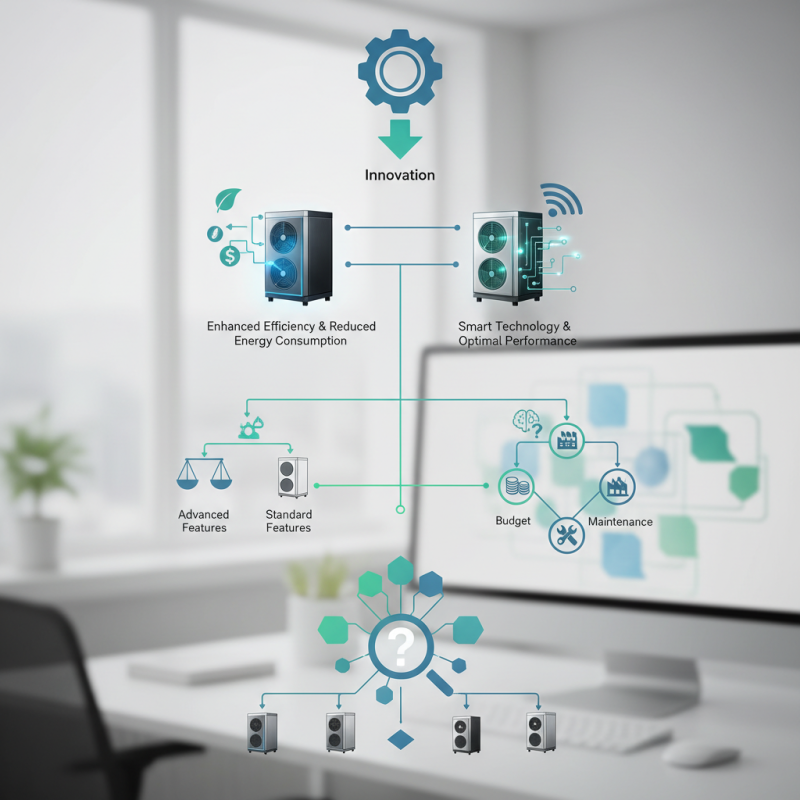
The Best Chiller Series of 2026 presents exciting innovations. New models boast enhanced efficiency and reduced energy consumption. This year, buyers may encounter models equipped with smart technology that ensures optimal performance. However, not all models will fit every need. Some may lack advanced features that others offer. Reflecting on this, it's crucial to weigh specific requirements against the available options.
As we delve deeper into the various chiller series, the decision becomes more intricate. Factors like budget, application, and maintenance must be considered. It's a journey filled with choices, each one shaping the overall experience. In this evolving landscape, finding the ideal chiller series demands thoughtful reflection and careful evaluation.
Overview of Chiller Technologies Available in 2026
Chiller technologies have evolved rapidly by 2026. New energy-efficient designs are dominating the market. For example, variable-speed chillers now achieve up to 35% more efficiency than traditional models. This shift is vital for reducing operational costs in commercial buildings. As energy prices fluctuate, efficient systems become increasingly important.
In 2026, the use of magnetic bearing chillers is rising. They operate with lower vibration and noise levels, enhancing comfort. Some reports indicate that these systems can reduce maintenance costs by up to 50%. However, the initial investment is notably higher, which can deter some buyers.
Another trend is the integration of smart technology in chillers. IoT-enabled systems provide real-time data. Users can monitor performance and troubleshoot issues remotely. Despite these advancements, adoption remains slow in certain sectors. Some facilities struggle with outdated infrastructure. They may find it challenging to incorporate new technologies while maintaining service stability.
Best Chiller Series of 2026: Overview of Chiller Technologies
Key Features to Consider When Choosing a Chiller
When selecting a chiller, several key features come into play. Start with cooling capacity. It determines how much heat your system can handle. Make sure it matches your needs for optimal performance. An undersized chiller can overheat, leading to breakdowns. An oversized unit is wasteful and expensive.
Next, consider energy efficiency. Look for a high SEER or EER rating. This reflects how much energy the chiller uses compared to its cooling output. Lower energy costs mean more savings over time. Keep in mind that efficient units sometimes require higher initial investment.
Build quality is also critical. Examine the materials and construction methods used. A poorly built chiller may need frequent repairs and have a shorter lifespan. Digital controls and smart monitoring features can simplify management. These can help you save on maintenance and energy consumption. Choosing the right chiller is a balancing act. It's essential to weigh these factors against your budget and requirements.
Top Chiller Brands and Their Notable Models in 2026
In 2026, the chiller market has evolved significantly. Many brands are redefining . Industry data shows that energy-efficient models are now crucial for sustainability. The demand for chillers is skyrocketing. Some sources indicate a projected growth of over 7% annually in this sector.
Top brands are focusing on advanced technology. Notable models feature smart controls and reduced energy consumption. Reports highlight savings of up to 30% on electricity costs. These developments are important, yet not all brands maintain high reliability. Some models have faced performance issues under specific conditions.
Choosing the right chiller can be difficult. Not every model is suitable for all applications. Users often need to reflect on their unique requirements. An ideal selection balances performance with cost-effectiveness. Transparency in specifications can guide decisions, but it is not always available. Stay informed to make better choices.
Energy Efficiency Ratings and Their Importance in Chillers
When choosing a chiller, energy efficiency is key. Energy efficiency ratings can significantly impact your operational costs. According to the U.S. Department of Energy, selecting a chiller with a high energy efficiency rating can lower energy consumption by up to 30%. This translates to substantial cost savings over time.
Understanding these ratings is crucial. They typically include metrics like the Energy Efficiency Ratio (EER) and Seasonal Energy Efficiency Ratio (SEER). The EER measures efficiency under specific conditions, while the SEER accounts for seasonal variations. A chiller with a higher rating generates more cooling for less energy. However, not all models offer performance as advertised. Careful evaluation is necessary.
In 2025, the average energy costs for chillers jumped significantly. A report indicated that poorly rated units often wasted 20% more energy than their efficient counterparts. Many companies ignore this when making decisions. The initial price of a unit may seem attractive, but long-term operational cost is vital. Investing in energy efficiency isn't merely a trend; it’s a necessary approach in today’s market.
Best Chiller Series of 2026
| Chiller Model | Cooling Capacity (kW) | Energy Efficiency Ratio (EER) | Seasonal Energy Efficiency Ratio (SEER) | Operating Temperature Range (°C) | Approx. Price (USD) |
| Model A | 150 | 3.5 | 4.5 | -5 to 45 | 10,000 |
| Model B | 200 | 3.8 | 5.0 | -10 to 50 | 12,500 |
| Model C | 250 | 4.0 | 5.5 | -5 to 40 | 15,000 |
| Model D | 300 | 3.9 | 4.7 | -10 to 55 | 18,000 |
Comparative Analysis of Cost vs. Performance in Chilliers
When choosing a chiller, cost and performance are critical factors. Many models on the market vary widely in price. Lower-cost chillers often compromise performance. They may have slower cooling times or higher energy consumption. Buyers must weigh their budget against the need for efficiency. Sometimes, spending a bit more upfront can lead to long-term savings.
Performance is just as vital as cost. Some chillers cool effectively but consume too much electricity. This can lead to high operational expenses. Users might find themselves regretting their choice if they prioritize price alone. Comparing specifications like BTU ratings and energy efficiency can give insights into performance. It's essential to analyze reviews and efficiency ratings closely, as they provide real-world insights.
Make a checklist of your needs and compare models based on that. Think about the environments where the chiller will operate. Inadequate performance in specific conditions can lead to frustrations. Mistakes happen. Reflecting on previous choices can lead to better decisions this time. In the end, a chiller should not only fit the budget but also perform reliably.