Top 10 Benefits of Using Stainless Steel Cable for Your Projects?
Stainless steel cable has revolutionized various industries with its durability and versatility. John Smith, a well-respected expert in the cable industry, once said, "Stainless steel cable combines strength and beauty, making it a top choice for lasting projects." His insights highlight the key advantages of using this material.
The benefits of stainless steel cable are numerous. Its resistance to rust and corrosion makes it ideal for outdoor applications. Projects involving marine environments especially favor this material. Additionally, stainless steel cable offers a sleek aesthetic that enhances the overall appearance of any installation. Its adaptability extends to architectural designs, where it provides both support and style.
There are considerations to keep in mind. While stainless steel cable is robust, improper installation can lead to failures. Cost is another factor; it may be more expensive than alternatives. However, the long-term performance often justifies the initial investment. Exploring these aspects can help you make informed decisions about your projects.

Benefits of Using Stainless Steel Cable for Structural Integrity in Construction
Using stainless steel cable in construction projects offers vital benefits for structural integrity. This material resists rust and corrosion, ensuring long-lasting durability. Its strength allows for the construction of safe and stable structures. Engineers often choose stainless steel cables for their ability to withstand heavy loads and extreme weather conditions. This provides peace of mind, promoting safety and confidence in the built environment.
When selecting stainless steel cables, consider the environment in which they will be used. Ensure that you choose the right gauge and strength to match project requirements. Tips on installation can enhance performance. For example, avoid sharp bends that may weaken the cable. Regular inspections can also help maintain integrity over time.
Stainless steel cables excel not only in strength but also in aesthetics. They offer a sleek, modern appearance that can enhance the design of any construction. Yet, improper installation or maintenance can lead to unexpected failures. Therefore, continuous education on best practices in cable use is essential. Always be prepared to adapt and improve your strategies as new techniques emerge.
Top 10 Benefits of Using Stainless Steel Cable for Your Projects
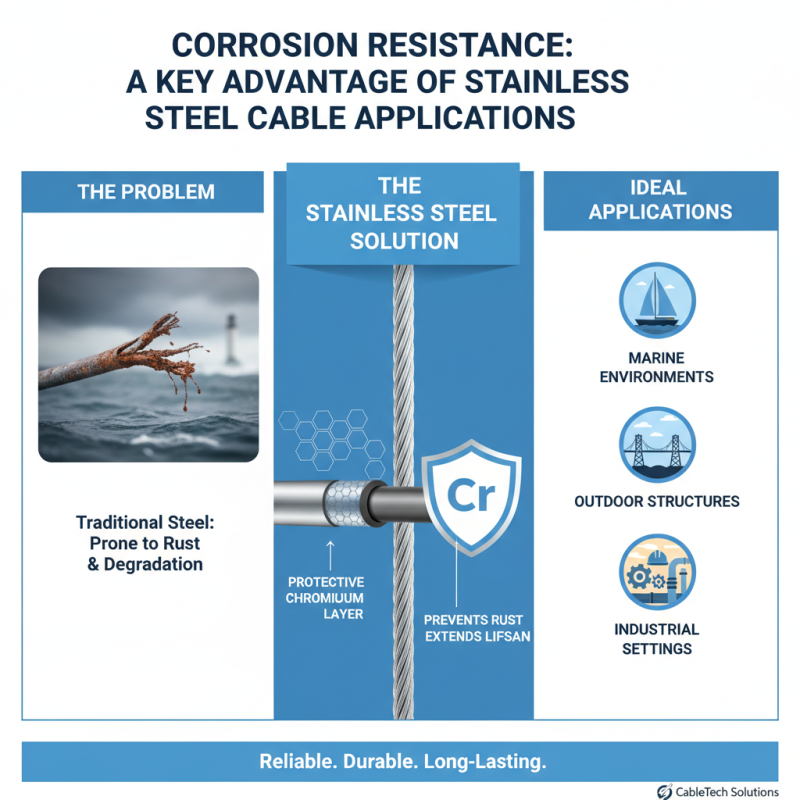
Corrosion Resistance: A Key Advantage of Stainless Steel Cable Applications
Stainless steel cables shine in various applications due to their remarkable corrosion resistance. This unique quality makes them ideal for marine environments, outdoor structures, and industrial settings. Unlike traditional steel, stainless steel contains chromium, which forms a protective layer. This layer prevents rust and extends the lifespan of the cable.
Corrosion can lead to costly repairs or replacements. Using stainless steel cables reduces these risks significantly. When installed correctly, they withstand harsh weather, saltwater, and pollutants. Many projects benefit from their durability. Yet, one must consider the weight and handling of these cables. They can be heavier and may require specialized equipment for installation.
While stainless steel cables are reliable, they are not without challenges. Over time, environmental factors can affect their performance. It’s essential to regularly inspect and maintain these cables for optimal results. Understanding the specific needs of your project will enhance the benefits of using stainless steel cables. Their long-lasting nature justifies careful consideration in the planning stages.
Durability and Longevity: Cost Savings Over Time with Stainless Steel Cables
Stainless steel cables are celebrated for their incredible durability and longevity. They can withstand harsh weather, corrosion, and wear and tear. This means that projects using these cables often require fewer replacements than those relying on traditional materials. In the long run, this results in significant cost savings. Choosing stainless steel for your project is an investment in quality.
However, not all stainless steel cables are created equal. It's essential to pay attention to grading and specifications. A lesser quality may not hold up as well over time. Regular inspections and maintenance are still key to ensuring optimum performance. Research shows that, when cared for, stainless steel cables can far outlast their counterparts. It's crucial to weigh these factors. While they may come at a higher initial cost, the durability offsets that expense over time.
Top 10 Benefits of Using Stainless Steel Cable for Your Projects
| Benefit |
Description |
Cost Savings Over Time |
| Durability |
Resistant to corrosion and environmental factors. |
Reduces replacement costs. |
| Low Maintenance |
Requires minimal upkeep, saving time and labor. |
Decreases overall maintenance expenses. |
| Aesthetic Appeal |
Modern and sleek appearance enhances project design. |
Can increase property value due to appearance. |
| Strength |
High tensile strength outperforms other materials. |
Fewer replacements mean long-term savings. |
| Versatility |
Can be used in various applications across industries. |
Reduces inventory costs for multiple projects. |
| Environmental Resistance |
Withstands chemicals and harsh weather conditions. |
Minimizes damage costs over time. |
| Safety |
Non-toxic and hypoallergenic properties make it safe for all. |
Helps avoid legal issues and costs associated with material safety. |
| Recyclability |
Highly recyclable material contributing to sustainability. |
Potential savings in disposal costs and taxes. |
| Temperature Resistance |
Maintains integrity at high and low temperatures. |
Lowers risk of project failures, hence saving costs. |
Flexibility and Strength: Balancing Design Needs with Performance Metrics
Stainless steel cable offers unparalleled flexibility and strength, making it a top choice for various projects. Its unique properties allow it to adapt to complex designs while maintaining structural integrity. In architectural applications, stainless steel cables provide a sleek, modern aesthetic. They can be used for railings, bridges, and art installations, seamlessly blending functionality with beauty.
Performance metrics matter. Stainless steel cables exhibit excellent tensile strength. They resist wear and tear, which ensures longevity in outdoor settings. Yet, there can be challenges. Improper installation may lead to stress points, potentially compromising safety. Regular maintenance is essential to uphold performance standards.
Designers often face the dilemma of balancing aesthetics and safety. With stainless steel, it’s possible to achieve both. The material's versatility allows for creative solutions while adhering to performance metrics. However, skilled craftsmanship is required. This ensures that the intended flexibility does not come at the expense of strength. A reflective approach is necessary, recognizing the need for continuous improvement in technique and understanding of material properties.
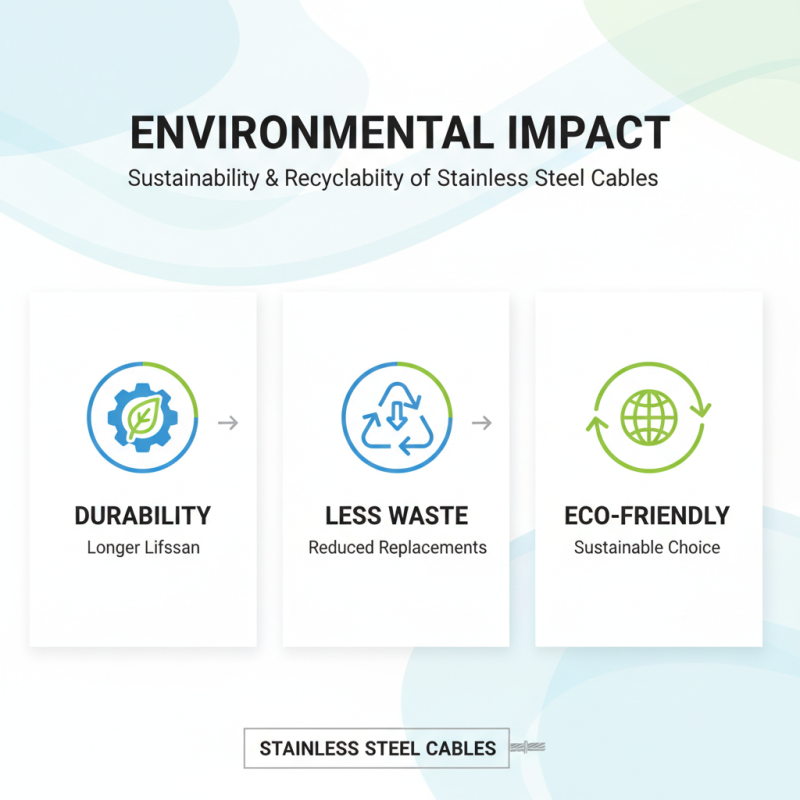
Environmental Impact: Sustainability and Recyclability of Stainless Steel Cables
Stainless steel cables offer significant sustainability benefits. They are highly durable and can withstand harsh environments. This durability means longer lifespans, reducing the need for frequent replacements. Projects benefit from lower material waste over time, making them an eco-friendly choice.
Recyclability is another crucial aspect. Stainless steel is 100% recyclable without any loss of quality. This makes it an attractive option for environmentally conscious projects. When a project ends, the cables can be repurposed for new uses. Additionally, recycling reduces the need for new raw materials, conserving resources.
However, it’s essential to acknowledge some challenges. Manufacturing stainless steel does have an environmental footprint. There is energy consumption and greenhouse gas emissions during production. As a result, stakeholders must consider these factors and aim for responsible sourcing. Ultimately, promoting the use of stainless steel cables should come with a commitment to reducing overall environmental impact.