What are the Benefits of Using Insect Mesh for Home and Garden?
In recent years, the use of insect mesh in homes and gardens has gained significant attention. According to a report by the National Pest Management Association, over 30% of homeowners have experienced pest issues in their gardens. Insect mesh offers a practical solution for controlling these pests while maintaining a healthy environment.
Dr. Laura Simmons, a leading entomologist, emphasizes its importance: “Insect mesh is a barrier that protects plants from insects without the need for pesticides.” This method not only preserves the integrity of gardens but also promotes sustainable practices. The adoption of insect mesh has grown by 40% since 2020 among eco-conscious gardeners.
However, challenges remain. Some users may find that insect mesh does not work perfectly for all plant types. Others struggle with installation or durability over time. While insect mesh is effective, it requires careful management and potentially additional support. Understanding its limitations is essential for optimal results in pest control.

Benefits of Insect Mesh for Home and Garden Protection
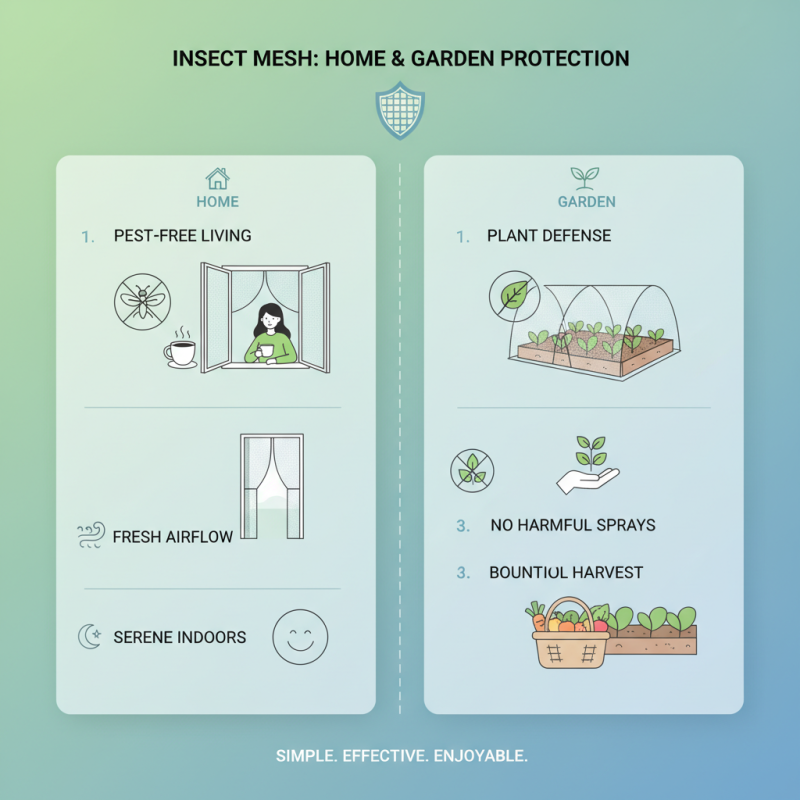
Insect mesh is a simple yet effective solution for protecting your home and garden. It acts as a barrier against unwanted pests like flies, mosquitoes, and other insects. This can create a more pleasant living environment. Imagine enjoying your morning coffee without swatting away pesky bugs. Insect mesh lets you keep windows and doors open while ensuring your indoor space remains serene.
In gardens, this mesh helps in protecting delicate plants. It prevents pests from nibbling on leaves and flowers. You can watch your garden thrive without constant worries about infestations. Using insect mesh can also save time and resources. Spraying chemicals is not necessary if you have effective physical barriers.
However, you must install it correctly. Gaps and tears in the mesh can lead to problems. Regular maintenance is needed to ensure it remains effective. Some users find it challenging to keep it clean. Dirty mesh can reduce visibility and effectiveness. It’s important to remain vigilant. Taking these steps can maximize the benefits of insect mesh.
How Insect Mesh Enhances Pest Control in Gardening
Insect mesh is an effective tool for enhancing pest control in your garden. It creates a protective barrier between plants and harmful insects. This mesh allows sunlight and air to pass through. However, small pests like aphids and whiteflies are kept at bay. When applied correctly, it can significantly reduce the need for chemical pesticides. Many gardeners have noticed healthier plants as a result.
Using insect mesh is not without its challenges. It may require adjustments in size and placement. If installed too tightly, it can restrict air circulation. This can lead to fungal diseases on plants. Observing how plants react is essential. Some plants may benefit more than others from this protective cover. A careful approach is needed to find the right balance.
Another aspect is maintenance. Over time, debris can collect on the mesh. This may hinder its effectiveness in pest control. Regular cleaning is necessary to keep it functional. Some gardeners may forget this step, leading to reduced plant health. Reflecting on these points ensures that insect mesh truly serves its intended purpose.
What are the Benefits of Using Insect Mesh for Home and Garden? - How Insect Mesh Enhances Pest Control in Gardening
| Benefit |
Description |
Impact on Gardening |
| Pest Prevention |
Insect mesh acts as a physical barrier, preventing pests like aphids and caterpillars from reaching plants. |
Reduces the need for chemical pest control, promoting a healthier garden ecosystem. |
| Air Circulation |
Allows for good air flow while keeping insects out, which is essential for plant health. |
Prevents the build-up of humidity that can cause fungal diseases. |
| Sunlight Protection |
Can provide some shade to delicate plants without blocking essential sunlight. |
Helps in protecting tender seedlings from sunburn. |
| Versatility |
Insect mesh can be used for various applications including covering vegetable beds, fruit trees, and flowers. |
Enhances overall garden productivity by protecting diverse plants. |
| Ease of Installation |
Insect mesh can be easily cut and shaped to fit any garden layout. |
Saves time and effort in set-up compared to other pest control measures. |
Improving Airflow and Sunlight with Insect Mesh Installations
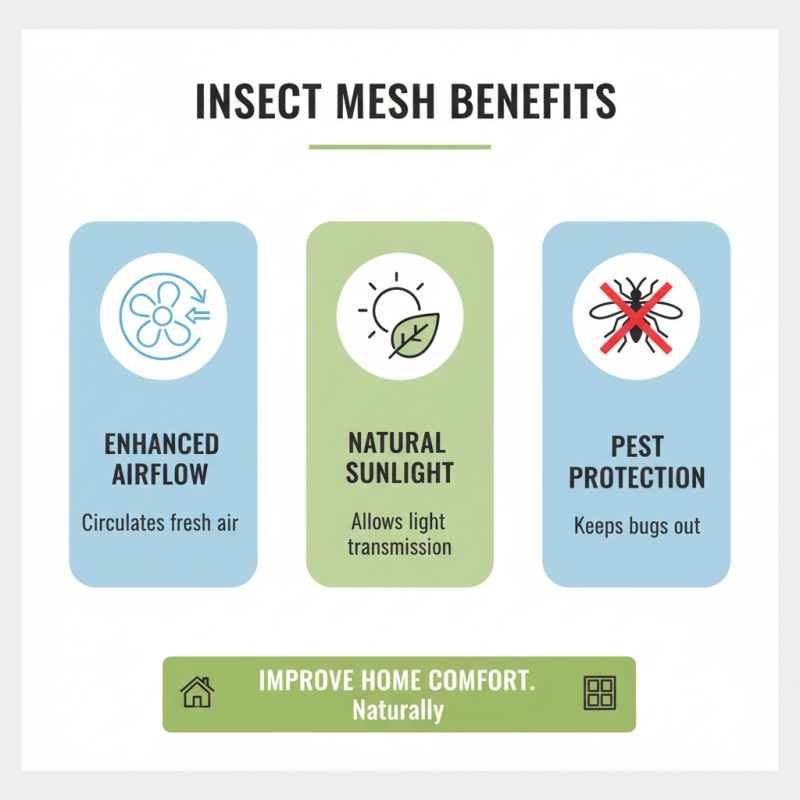
Insect mesh installations play a crucial role in enhancing airflow and sunlight in homes and gardens. These fine screens allow fresh air to circulate while keeping unwanted pests at bay. By installing insect mesh on windows and doors, homeowners can enjoy a breezy environment without the nuisance of bugs. This can significantly improve indoor comfort, especially during warm months when air conditioning may not be used.
Moreover, the mesh material permits beneficial sunlight to filter through. This is vital for plants in gardens, as adequate sunlight promotes healthy growth. The mesh can be particularly useful in greenhouses, ensuring that plants receive light while being protected from harmful insects. However, it’s essential to choose the right type of mesh; not all screens allow equal air or light penetration.
Some may find the installation process challenging or require maintenance over time. Dust and debris can accumulate on the screens, potentially blocking airflow. Regular cleaning and checks are necessary to maintain their effectiveness. Reflecting on these responsibilities helps ensure that the benefits of insect mesh installations can be fully realized in both home and garden spaces.
Durability and Cost-Effectiveness of Insect Mesh Solutions
Insect mesh solutions provide an effective way to protect your home and garden from pests. Their durability stands out as a significant advantage. High-quality insect mesh can last for years without deteriorating. A report by the Insect Barrier Council states that durable mesh can prolong the life of outdoor spaces by up to 15 years. This durability reduces the need for frequent replacements.
Cost-effectiveness is another key benefit. Investing in insect mesh can save money on pest control services. Studies show that homeowners save an average of 30% annually after using insect mesh. This is due to reduced infestation rates. However, not all products are created equal. You might find cheaper options, but they may wear out quickly. Sometimes, those savings lead to more expenses in the long run.
Tips: Select a mesh with a UV protection rating. This feature enhances longevity. Also, consider the mesh size for optimal pest prevention. A fine mesh can stop even the smallest insects. Balancing cost and quality is essential. Reflect on your choices to ensure they align with your long-term goals.
Benefits of Using Insect Mesh for Home and Garden
Environmental Advantages of Using Insect Mesh in Gardens
Insect mesh offers notable environmental advantages in gardens. It acts as a barrier, protecting plants from pesky insects without the need for chemicals. Studies show that gardens using insect mesh can see a decrease in pest-related damage by as much as 90%. This reduction aids in promoting a healthier ecosystem.
Using insect mesh aligns with sustainable gardening practices. By minimizing pesticide use, gardens contribute to cleaner soil and water. A report from the Environmental Protection Agency indicates that reduced chemical usage leads to improved biodiversity. A diverse garden attracts beneficial insects, which can further help with pest control.
Tips: Consider using lightweight insect mesh, as it allows sunlight and rain to penetrate easily. Ensure the mesh is well-secured to prevent any gaps where insects can enter. Regularly check for wear and tear; a small hole can lead to bigger problems down the road.
Investing in insect mesh not only enhances garden health but also encourages environmental responsibility. However, it's essential to reflect on the balance between industrial solutions and nature's own pest management strategies. Is there a way to blend both for optimal results?