What Are the Benefits of Using Metal Mesh in Construction?
In modern construction, the use of metal mesh has gained significant attention due to its versatility and strength. This material offers unique advantages, including enhanced durability and structural integrity. According to a recent report by the National Institute of Building Sciences, metal mesh can improve the lifespan of buildings by up to 30%. This statistic highlights its effectiveness in various applications, from reinforcement to aesthetic designs.
Metal mesh is not just practical; it also contributes to sustainability. It is recyclable and reduces the need for additional materials. In fact, a study published in the Journal of Construction Engineering found that using metal mesh can decrease waste by up to 25%. However, it is important to acknowledge potential challenges. For instance, improper installation can lead to structural weaknesses. Ensuring skilled labor is crucial for maximizing the benefits.
Additionally, the cost-effectiveness of metal mesh is worth noting. While the initial investment might be higher, long-term savings are achievable. A construction industry analysis revealed that projects using metal mesh often see a reduction in maintenance costs. These factors position metal mesh as a beneficial choice, yet careful consideration is needed to harness its full potential effectively.
Benefits of Metal Mesh in Construction Applications
Metal mesh is becoming increasingly popular in construction. It offers unique benefits that enhance the durability and versatility of various projects. This material is lightweight yet strong, making it ideal for reinforcing structures. Builders often choose metal mesh for concrete applications, where it improves tensile strength.
Using metal mesh can simplify installation. It can be easily cut and shaped to fit specific design needs. This adaptability is especially useful in complex projects where traditional methods may fall short. Additionally, metal mesh provides excellent ventilation and drainage properties. This feature helps prevent issues like moisture buildup, which can lead to structural damage over time.
However, there are considerations to keep in mind. Not all metal meshes are created equal; quality can vary significantly. Some products may rust or degrade faster if not properly coated. Builders must assess project requirements carefully to choose the right type. While metal mesh is beneficial, inappropriate use or selection can lead to future issues. Attention to detail is crucial in any construction endeavor.
Durability and Longevity of Metal Mesh in Building Projects
Metal mesh is gaining popularity in construction due to its exceptional durability and longevity. According to a report by the American Institute of Steel Construction, metal mesh can last over 100 years with minimal maintenance. This makes it a wise choice for structures exposed to harsh environmental conditions, such as coastal areas or regions with heavy snowfall. In addition, its resistance to corrosion significantly extends its lifespan compared to traditional materials.
The versatility of metal mesh contributes to its durability. It can be used in various applications, from reinforcing concrete to serving as safety barriers. Its adaptability means that it can withstand stresses better than many alternatives. However, some projects may overlook the initial cost of metal mesh, considering only short-term savings with less durable options. This shortsighted view can lead to higher expenses in the future due to repairs and replacements.
Despite its advantages, using metal mesh is not without challenges. It requires careful planning and installation. Improper handling can lead to a decrease in performance. Contractors need to pay close attention to the specifications and installation guidelines. A small error can compromise the benefits that metal mesh offers. The key is to embrace both the pros and cons to maximize the material's potential in construction.
Cost-Effectiveness and Efficiency of Metal Mesh Solutions
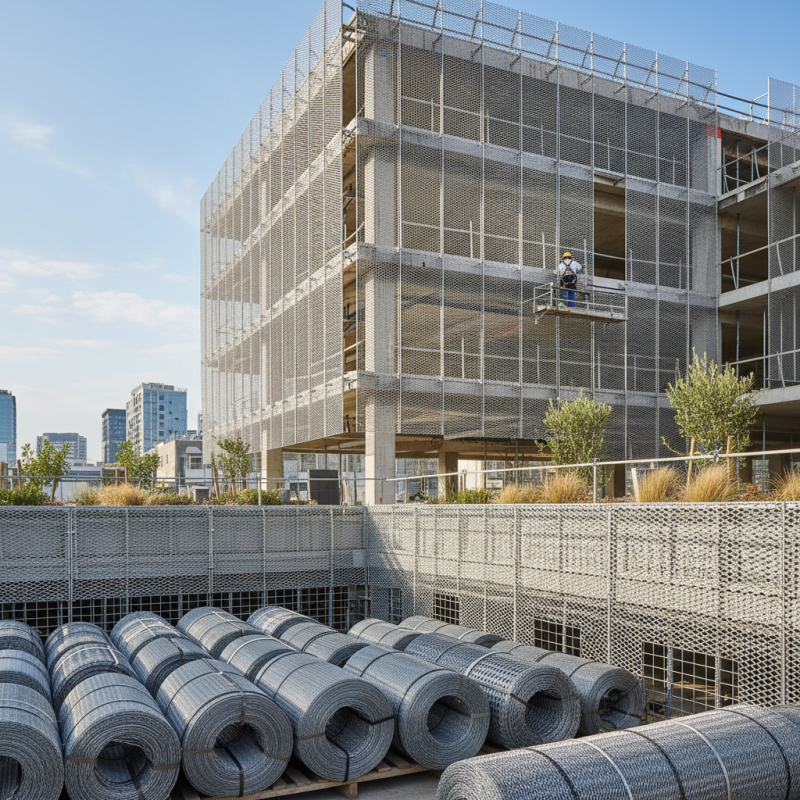
Metal mesh is becoming a popular choice in construction due to its cost-effectiveness and efficiency. Builders appreciate its lightweight nature, which reduces transportation costs. It can be easily cut to size, saving time on-site. This flexibility makes it suitable for various applications, like fencing, reinforcement, and architectural facades.
When using metal mesh, keep these tips in mind. Measure carefully before cutting. A small mistake can lead to wasted material and extra costs. Consider the environment too. Some metal meshes are recyclable and can lower the overall carbon footprint of your project.
It’s important to choose the right type of metal mesh. Different projects may require varied specifications. Reflect on your specific needs, such as strength and aesthetic appeal. Not every solution fits every situation. Take the time to evaluate your options to maximize benefits and efficiency in your construction project.
Enhanced Safety and Structural Integrity with Metal Mesh
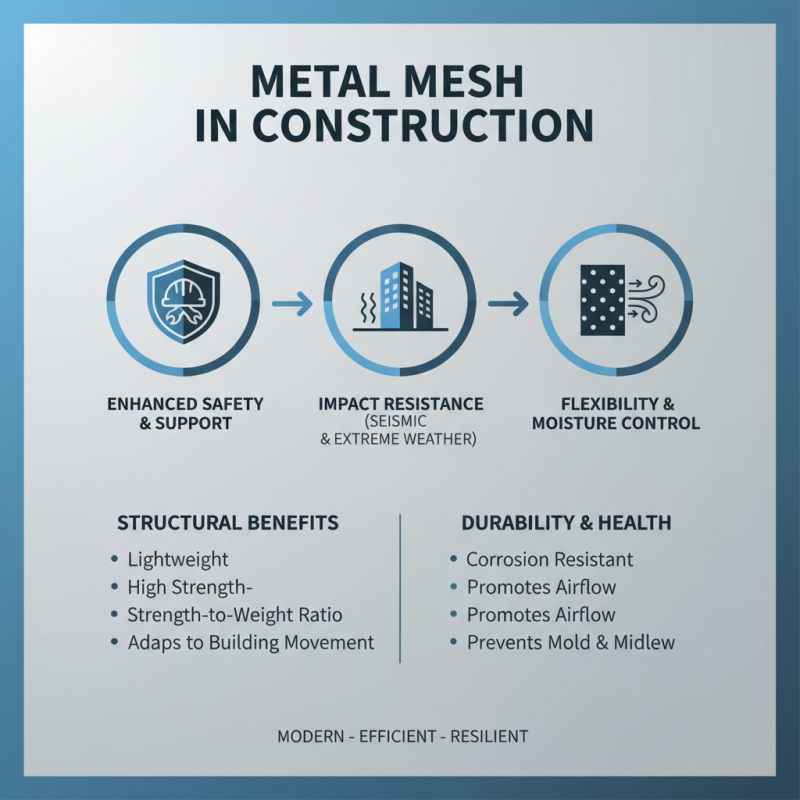
Metal mesh is becoming increasingly popular in construction due to its safety benefits and structural integrity. Unlike traditional materials, metal mesh provides enhanced support while maintaining a lightweight profile. This material can absorb shocks during seismic activities or extreme weather conditions. Its design allows for flexibility, which can be crucial when buildings sway or settle. Additionally, its open structure can promote airflow, reducing moisture accumulation and preventing mold growth.
However, there are challenges with metal mesh. High installation costs can deter some projects. Installation, if not done correctly, might lead to structural weaknesses. Workers must be properly trained to understand the nuances of working with this material. The longevity of metal mesh also depends on factors like corrosion and environmental exposure. Choosing the wrong type of metal can lead to rust or degradation over time. Thus, while metal mesh offers many benefits, careful planning and execution are essential to ensure its effectiveness in enhancing safety and structural integrity.
Versatility of Metal Mesh in Various Construction Materials
Metal mesh is a remarkably versatile material in construction, widely used across various applications. It can be incorporated into concrete, plaster, and even glass. This adaptability allows architects and builders to develop innovative designs that maintain structural integrity while providing aesthetic appeal. Metal mesh used in reinforced concrete adds strength without adding significant weight. This feature can lead to lighter buildings and more efficient use of materials.
In addition to strength, metal mesh enhances flexibility in design. It can be shaped into different forms, fitting various architectural styles. Whether creating intricate facades or functional interiors, metal mesh complements other materials well. It can also improve airflow and natural light flow in spaces, which is often overlooked. However, it’s crucial to consider the potential for corrosion in certain environments. Careful selection and maintenance are necessary to maximize longevity.
Furthermore, the integration of metal mesh can lead to challenges. For instance, improper installation may cause structural weaknesses. This risk emphasizes the need for skilled labor and thorough planning. Designers must consider these aspects to avoid pitfalls. Balancing functionality and aesthetics can be tricky, but the results are often worth it. Overall, metal mesh's versatility continues to inspire innovation in construction.