Exploring the Benefits of Fine Mesh Filters in Sustainable Home Brewing
In the realm of sustainable home brewing, the choice of filtering equipment plays a crucial role in enhancing both the quality of the brew and the environmental impact of the process. One of the standout tools in this journey is the fine mesh filter, which not only serves as an efficient barrier for unwanted particles but also promotes a cleaner, more flavorful end product. By utilizing fine mesh filters, brewers can substantially reduce the need for disposable materials, making a significant contribution to eco-friendly practices in brewing. Furthermore, these filters facilitate the extraction of more nuanced flavors from grains and hops, ultimately elevating the overall taste experience. In this article, we will delve into the myriad benefits of incorporating fine mesh filters into your home brewing routine, providing valuable tips to help you optimize your brewing process while embracing sustainable methods.
Understanding the Importance of Fine Mesh Filters in Home Brewing
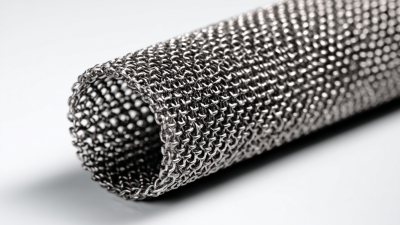
 Fine mesh filters play a crucial role in the home brewing process, significantly impacting the quality and clarity of the final product. By effectively separating grains, hops, and sediment from the liquid, these filters ensure a clean brew without unwanted particles that could alter flavors or create haziness. This meticulous filtration enhances the overall brewing experience, allowing home brewers to achieve a professional-grade beer right from their kitchen.
Tip: When selecting a fine mesh filter, look for one made of durable materials that won't absorb odors or flavors over time. Stainless steel or high-quality nylon are excellent options that provide longevity and performance.
Moreover, the use of fine mesh filters simplifies the brewing process. They facilitate a smoother transfer of liquid between stages, reducing the risk of clogging and ensuring consistent flow rates. This efficiency means less time spent on cleanup and more time enjoying the brewing craft.
Tip: Always rinse your fine mesh filter immediately after use to prevent residue buildup, which can compromise its filtering ability in future batches. Ensure it’s thoroughly dried before storage to maintain its condition.
Key Advantages of Using Fine Mesh Filters for Sustainable Brewing
 Fine mesh filters have emerged as a game-changer in the realm of sustainable home brewing, offering a range of benefits that cater to eco-conscious brew enthusiasts. One of the key advantages of using these filters is their ability to significantly reduce waste. Traditional brewing methods often require excessive filtration processes, leading to the disposal of leftover grains and hop debris. However, fine mesh filters allow for efficient extraction of flavors while minimizing the amount of spent material, promoting a more sustainable approach to beer production.
Additionally, fine mesh filters enhance the quality of the final product. By effectively capturing particulate matter, these filters ensure a clearer and more refined brew. This not only improves visual appeal but also enhances flavor stability, allowing home brewers to produce consistently high-quality beers. Moreover, their reusable nature aligns perfectly with sustainable practices; rather than relying on single-use filtration products, brewers can clean and reuse fine mesh filters for countless batches, reducing environmental impact and fostering a more sustainable brewing culture.
How Fine Mesh Filters Enhance Flavor and Clarity in Beverages
Fine mesh filters play a crucial role in elevating the quality of beverages crafted through sustainable home brewing techniques. These filters are specifically designed to catch particulate matter while allowing the liquid to flow smoothly, resulting in a cleaner brew. This enhanced clarity not only improves the visual appeal of the final product but also contributes to an overall better drinking experience. Beverages that are free from excess sediment and impurities often present a more refined taste profile, allowing the intricate flavors of the ingredients to shine through.
Moreover, the use of fine mesh filters can significantly influence the flavor extraction process during brewing. By effectively separating unwanted solids, they prevent any potential over-extraction that can lead to bitterness or off-flavors. Whether brewing coffee, tea, or even fermenting beer, these filters ensure that only the best qualities of the ingredients are retained. This meticulous approach not only enhances the flavor but also aligns with sustainable practices by minimizing waste and maximizing the utilization of raw materials. In essence, fine mesh filters are an indispensable tool for home brewers aiming to achieve high-quality, flavorful beverages while adhering to environmentally friendly methods.
Tips for Choosing the Right Fine Mesh Filter for Your Brewing Needs
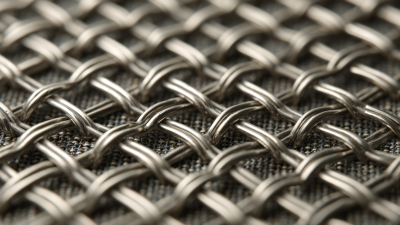
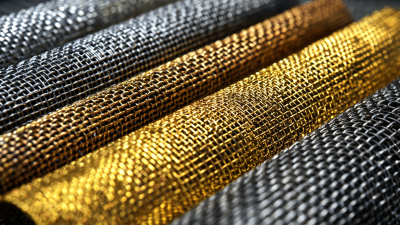
When it comes to sustainable home brewing, selecting the right fine mesh filter can significantly enhance your brewing experience. A fine mesh filter effectively separates the solids from the liquid, ensuring a clean brew while minimizing waste. When choosing a filter, consider the material—stainless steel and nylon are popular options for their durability and ease of cleaning. Additionally, the mesh size is crucial; finer meshes provide better clarity, making them ideal for brewing delicate teas or cold brews where clarity and purity of flavor are paramount.
Another important factor is the filter's compatibility with your brewing equipment. Ensure that the filter fits snugly in your brewing setup to prevent any overflow of the grounds or leaves. Some filters are designed specifically for particular brewing methods, such as French presses or pour-over systems, which can optimize flavor extraction by allowing the water to flow through evenly. Finally, ease of maintenance is key—look for filters that can be easily rinsed or are dishwasher safe, making your brewing process as convenient and sustainable as possible.
Exploring the Benefits of Fine Mesh Filters in Sustainable Home Brewing
| Filter Type |
Mesh Size (Microns) |
Material |
Benefits |
Recommended For |
| Stainless Steel Fine Mesh |
200 |
Stainless Steel |
Reusable, Durable |
All Grain Brewing |
| Nylon Fine Mesh |
100 |
Nylon |
Economical, Lightweight |
Extract Brewing |
| Glass Fine Mesh |
50 |
Borosilicate Glass |
Non-reactive, Easy to Clean |
Kettle Brewing |
| Polyester Fine Mesh |
150 |
Polyester |
Reusable, Higher Flow Rate |
Cold Brewing |
| Silicon Fine Mesh |
75 |
Silicon |
Flexible, Easy to Fit |
Specialty Brews |
Maintaining and Cleaning Fine Mesh Filters for Long-term Use in Brewing
Maintaining and cleaning fine mesh filters is essential for sustainable home brewing, as it ensures both the quality of the brew and the longevity of the equipment. According to a 2022 industry report by the Brewers Association, 73% of home brewers consider equipment maintenance vital for producing high-quality beer. Regular cleaning helps prevent residue buildup, which can harbor bacteria and compromise the flavor profile. A recommended practice is to rinse the filter immediately after use with hot water, ensuring that remnants of the brew are removed.
Tip: Invest in a specialized cleaning brush designed for fine mesh filters. This tool enables you to reach into the mesh and effectively dislodge any particles that may be stuck, improving your filter's performance. Additionally, periodic deep cleaning using a solution of water and mild detergent can help restore the filter’s effectiveness.
Another aspect of filter maintenance involves proper storage. When not in use, fine mesh filters should be dried thoroughly and stored in a clean, dry environment to prevent moisture-related damage. According to a survey by Homebrewing Digest, brewers who consistently maintain their equipment reported a 29% improvement in their brewing experience and satisfaction ratings. This emphasizes the importance of investing time in the upkeep of fine mesh filters as part of a sustainable brewing practice.
Impact of Fine Mesh Filters on Brewing Quality
This bar chart illustrates the perceived benefits of using fine mesh filters in sustainable home brewing, based on five key performance indicators: Clarity, Flavor Consistency, Sediment Reduction, Overall Satisfaction, and Maintenance Ease. Ratings are on a scale from 1 to 10.