2026 Top Trends in Steel Mesh Applications and Innovations?
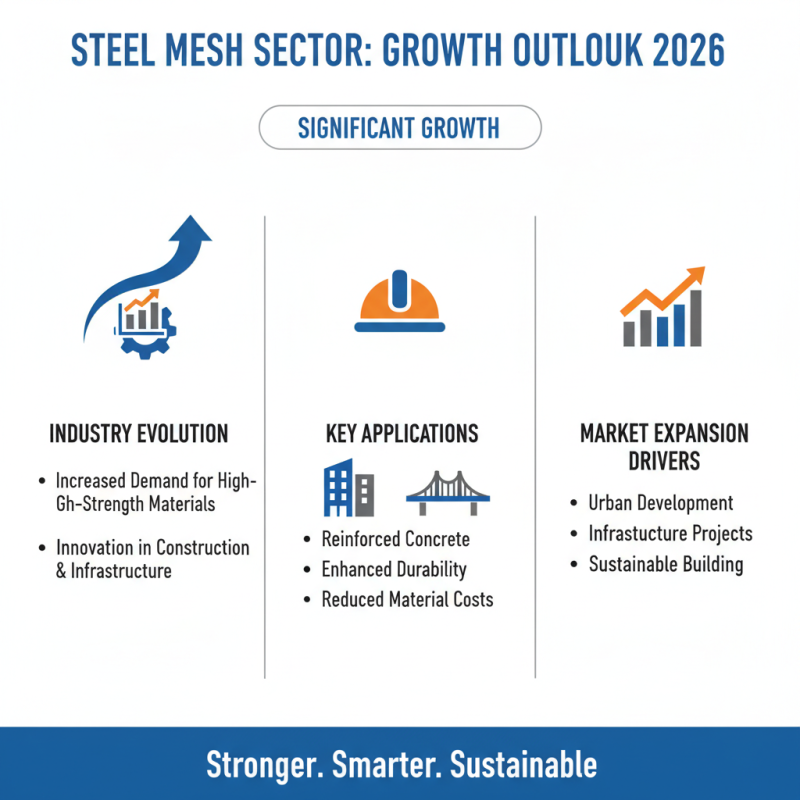
The steel mesh industry is on the brink of transformation. According to a recent report by MarketsandMarkets, the global steel mesh market is projected to reach $XX billion by 2026, growing at a CAGR of XX%. As construction and engineering sectors evolve, the application of steel mesh becomes increasingly significant. Expert Sarah Anderson, a leading figure in material science, emphasizes, "The future of construction hinges on innovations in steel mesh technology."
Emerging trends reveal a shift towards sustainable practices. Eco-friendly steel mesh solutions are gaining traction, responding to the urgent need for greener construction materials. Innovative designs are enhancing the structural capabilities of buildings. Companies are experimenting with high-strength steel mesh that offers better durability and flexibility. Just like blends of steel mesh can improve load-bearing capacity, they can also reduce material waste.
However, challenges persist. The industry often grapples with the balance between cost and quality. Keeping production costs low while maintaining high standards is no small feat. As Sarah Anderson points out, "Adaptation is crucial; failed innovations remind us to reevaluate traditional practices." This call for reflection highlights the need for continuous improvement in steel mesh applications, ensuring they meet the requirements of modern construction challenges.

Emerging Technologies in Steel Mesh Manufacturing
The future of steel mesh applications is bright, thanks to emerging technologies in manufacturing. Innovations are changing how steel mesh is produced, enhancing its strength and versatility. Advanced welding techniques are streamlining the manufacturing process. This leads to faster production times and superior product quality.
Laser cutting and 3D printing are game-changers. They allow for intricate designs that were once impossible. But, these technologies can have their flaws. Complexity may increase the risk of errors during production. Manufacturers must remain vigilant. They should adopt quality control measures to ensure standards are met.
**Tips:** Always consider sustainability. Innovations in recycling materials are gaining traction. This is crucial for reducing waste. Frequent training for staff on new technologies is essential. Knowledge refreshers keep skillsets sharp. Embracing change is vital in this evolving industry. Adaptation can lead to new opportunities.
2026 Top Trends in Steel Mesh Applications and Innovations
This bar chart illustrates the anticipated market growth percentage for various applications of steel mesh by 2026. Notable trends are observed in construction, automotive, and manufacturing sectors, highlighting the diverse potential of steel mesh innovations.
Innovative Applications of Steel Mesh in Construction Industry
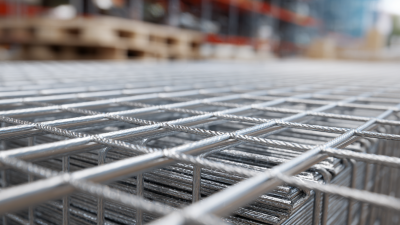
Steel mesh has become increasingly important in the construction industry. Its strength and lightweight nature make it ideal for various applications. Builders use steel mesh for ensuring stability and durability in structures. It is often found in concrete reinforcement, providing added strength where it's needed most. The mesh designs can vary greatly to meet specific building needs.
Innovations are emerging, pushing boundaries in steel mesh applications. For example, 3D printing technology allows for customized mesh shapes. This can enhance functionality and efficiency. In some cases, however, the quality of the mesh may not meet the standards needed for certain projects. There are also concerns about how to recycle used steel mesh. The construction industry must address these challenges while embracing new technologies. It is vital to balance innovation with quality and sustainability.
2026 Top Trends in Steel Mesh Applications and Innovations
| Trend |
Description |
Application Area |
Expected Impact |
| 3D Steel Mesh Printing |
Utilization of 3D printing technology to create complex steel mesh structures with precision. |
Residential and Commercial Buildings |
Enhanced design flexibility and reduced waste. |
| Smart Monitoring Systems |
Integration of IoT sensors with steel mesh for real-time structural health monitoring. |
Infrastructure and Bridges |
Improved safety and maintenance efficiency. |
| Lightweight Mesh Alternatives |
Development of lighter and stronger mesh materials utilizing advanced steel alloys. |
High-Rise Construction |
Lower transportation costs and easier handling. |
| Sustainable Steel Mesh |
Implementation of recycled steel in mesh products and environmentally-friendly manufacturing processes. |
Green Buildings and Eco-Friendly Projects |
Reduced carbon footprint and enhanced compliance with green regulations. |
| Modular Steel Mesh Systems |
Prefabricated steel mesh components for quicker assembly on-site. |
Temporary Structures and Quick Build Projects |
Faster construction times and reduced labor costs. |
Environmental Sustainability in Steel Mesh Production
The environmental impact of steel mesh production is a pressing concern. Many manufacturers are transitioning to more sustainable processes. They focus on minimizing waste and reducing energy consumption. Utilizing recycled materials is one approach gaining traction. This method lessens the need for raw resources.
However, challenges remain. The energy-intensive nature of production often relies on fossil fuels. While some companies are exploring renewable energy options, it’s not universally implemented. The industry must confront these barriers to make genuine progress. Even small steps can lead to significant changes over time.
Innovation in manufacturing techniques is crucial. Advanced technologies, such as automation, are being adopted to enhance efficiency. These methods can reduce emissions but may not be accessible to all producers. Additionally, there is a growing need for stricter environmental regulations. It will encourage companies to prioritize sustainability. Balancing economic growth and environmental responsibility is vital for the future of steel mesh applications.
Advanced Steel Mesh Designs for Enhanced Durability
Advanced steel mesh designs are transforming various industries. These innovations focus on increasing durability and sustainability. A recent report indicates that high-performance steel mesh can improve load-bearing capacity by up to 40%. This means structures can endure greater forces while using less material.
The integration of coatings and treatments is also enhancing the longevity of steel mesh. For instance, galvanized finishes protect against rust and corrosion. Experts suggest that these advancements contribute to reducing maintenance costs by nearly 25%. However, some manufacturers still struggle with implementation. This gap reveals potential areas for improvement in the industry.
Tip: Regular assessments of mesh durability can help identify weaknesses early. Investing in quality materials is paramount. Additionally, collaboration among engineers can spark new ideas. Encourage feedback and iterate designs based on real-world performance. Embracing innovation is essential for future success in steel mesh applications.