2026 Best Wire Screen Options for Global Buyers to Consider?
When considering the right wire screen for various applications, global buyers face a multitude of options. The market is flooded with different types of wire screens, each designed for specific purposes. These screens can be used in industries ranging from construction to filtration. Understanding the unique properties of each wire screen is crucial for making informed decisions.
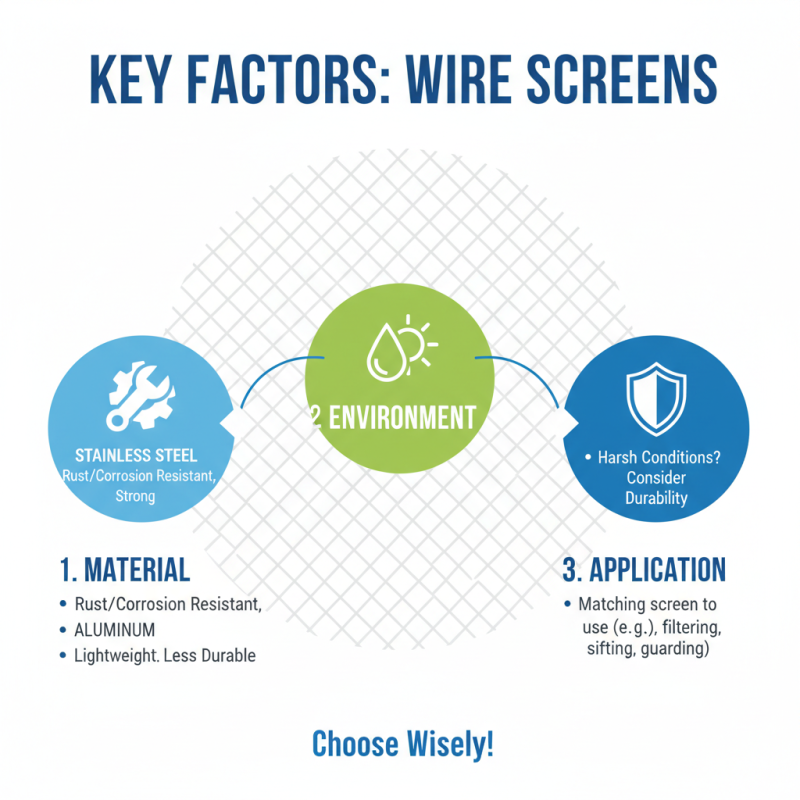
Wire screens come in various materials, including stainless steel, aluminum, and plastic. Each material has its strengths and weaknesses. For instance, stainless steel offers excellent durability but may not be cost-effective for all applications. Plastic wire screens, on the other hand, are lightweight and less expensive, but may lack the strength needed in demanding environments.
As buyers evaluate their choices, they must also consider the intended use. Customization options are available, allowing for adjustments in size and mesh openings. Researching suppliers and reading reviews can enhance decision-making. Buyers must also be aware of the trade-offs involved when selecting wire screens. It's important to reflect on how these screens will perform over time in real-world conditions.
2026 Overview of Wire Screen Types and Their Applications
In 2026, the wire screen market offers diverse options for various applications. Wire screens play a crucial role in industries such as
construction, agriculture, and food processing.
Understanding their types can help buyers make informed decisions.
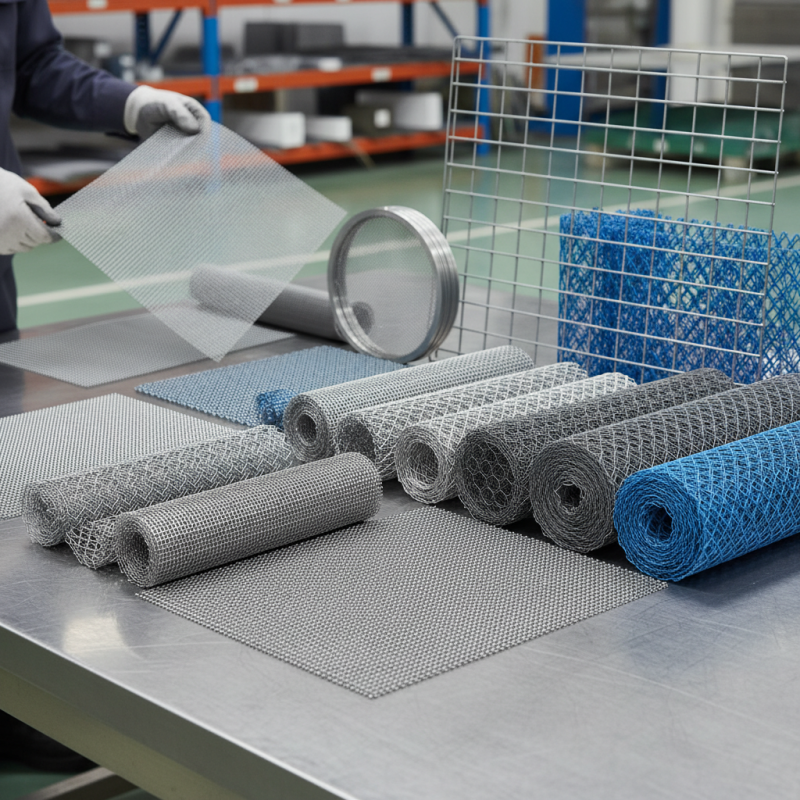
Stainless steel wire screens are popular for their durability. They withstand harsh conditions and resist rust.
In contrast, nylon screens are lighter and flexible, ideal for temporary uses. Selecting the right material is vital.
An oversized screen may save time during installation but could cause performance issues later.
Tips: Evaluate your specific needs. Consider factors like environment and load-bearing capacity. Doing so ensures optimal performance.
Regular maintenance is important. Clean and inspect screens frequently to avoid costly repairs.
Other types, such as welded wire or woven mesh, serve distinct functions.
Welded screens provide strength, while woven variants allow for finer filtration. Choosing the wrong type leads to inefficiencies.
It is crucial to understand your application before making a selection. A clear grasp of each wire screen type enhances your purchasing effectiveness.
Top Wire Screen Manufacturers for Global Buyers in 2026
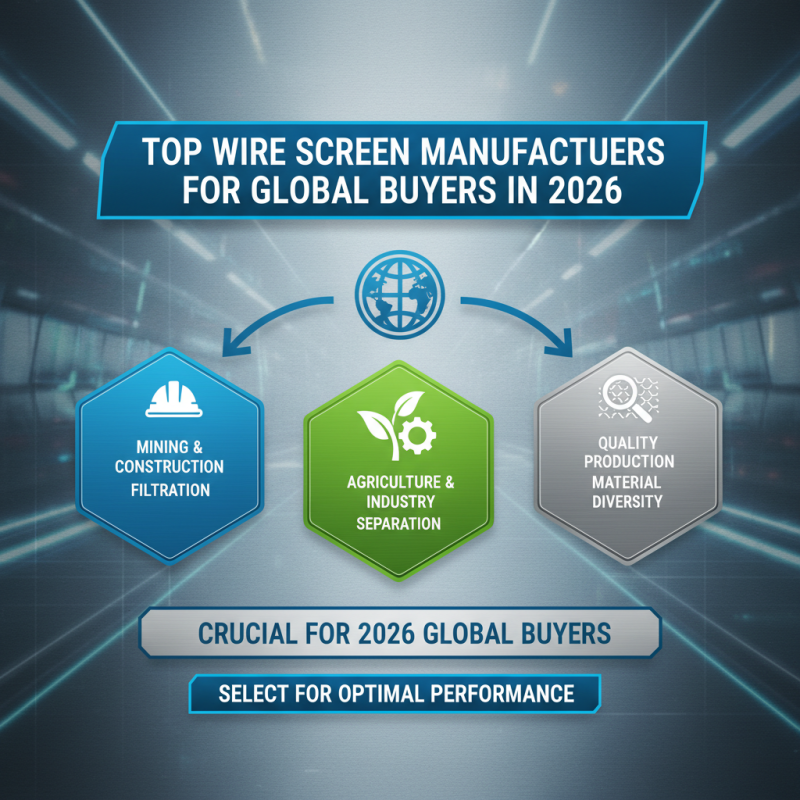
As global buyers prepare for 2026, selecting the right wire screen manufacturers is crucial. The market offers diverse choices, each with unique materials and applications. Wire screens are pivotal in various industries, including mining, construction, and agriculture. Their effectiveness in filtering and separation tasks cannot be overstated. Buyers should prioritize manufacturers that emphasize quality in their production processes.
When evaluating manufacturers, consider factors such as their experience and expertise. Long-standing companies often have established reputations and a history of reliability. Check for certifications that indicate adherence to industry standards. A manufacturer’s commitment to innovation can also reflect its ability to meet evolving market demands. However, not all companies maintain the same level of quality. Some may falter in customer service or product consistency, so thorough research is necessary.
Cost is another essential factor. While lower prices can be tempting, they may compromise quality. Buyers should weigh the long-term benefits of investing in higher-quality wire screens against the potential pitfalls of cheaper alternatives. It's important to reflect on past purchasing decisions to avoid repeating mistakes. Assessing performance, durability, and service history helps ensure a wiser choice in the end.
Comparative Analysis of Wire Screen Materials and Durability
When exploring wire screen materials, durability is a key factor. Different materials offer varying levels of strength and longevity. For example, stainless steel screens resist rust and corrosion. Aluminum screens are lightweight but may not last as long under harsh conditions. Each material has its own unique properties that affect performance.
Consider your specific needs. If you're in a wet environment, stainless steel is often the best choice. For projects needing lightweight solutions, aluminum could suffice. Always factor in environmental influences that may affect the lifespan of the wire screen.
**Tips:** Think about how frequently the screen will be exposed to elements. Choose a material that balances weight, strength, and resistance. Look into maintenance needs; some screens require more upkeep than others. Investing time in selecting the right wire screen can lead to better long-term performance. Reflect on whether cheaper options might need replacement sooner, which could cost you more in the long run.
2026 Best Wire Screen Options for Global Buyers to Consider
Innovative Trends in Wire Screen Design for 2026
As we move into 2026, the wire screen industry is gearing up for significant innovation. The focus is on enhancing functionality and aesthetic appeal. New materials promise increased durability and corrosion resistance, making wire screens suitable for various applications. Lightweight designs are becoming popular, providing easier installation and transport for buyers across the globe.
Emerging trends also showcase customized designs. Consumers are seeking wire screens that meet specific needs. This includes bespoke sizes, shapes, and openings that allow for optimal airflow while maintaining security. Integrating smart technology into wire screens offers exciting possibilities. With sensors and automation, users can monitor and adjust their screens for better performance. Such advancements challenge traditional wire screen usage and encourage innovation within the industry.
However, there are challenges to consider. The adaptation of new materials can increase production costs. Some manufacturers may struggle to keep pace with changing consumer demands. Quality control becomes essential to ensure reliability in these innovative products. Mistakes in this area can lead to compromised performance, negatively affecting consumer trust. As the market evolves, balancing innovation with quality assurance will be crucial for long-term success.