2026 Best Warehouse Metal Doors What You Need to Know?
In the realm of industrial buildings, the importance of Warehouse Metal Doors cannot be overstated. These doors provide security, durability, and functionality. "The right warehouse door can make or break your operations," says John Smith, a leading expert in warehouse solutions. His insights highlight the critical role these doors play.
Warehouse Metal Doors are designed to withstand heavy use and extreme conditions. They must be robust yet easy to operate. Poor choices can lead to unnecessary costs and safety issues. For instance, a flimsy door may compromise security, while an ill-fitted one could waste valuable time during heavy operations.
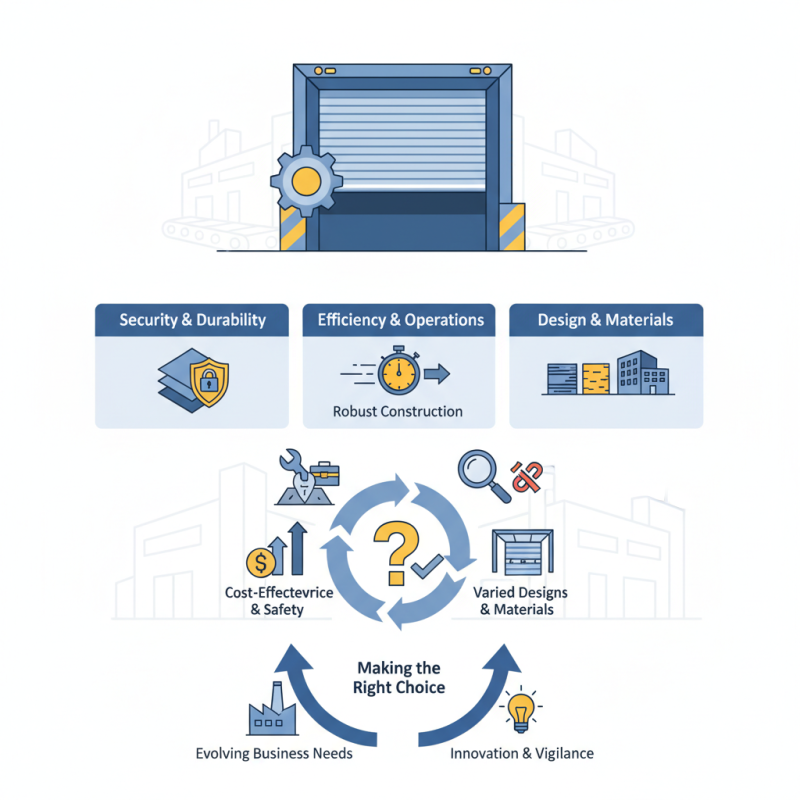
As businesses evolve, the need for efficient, reliable metal doors grows. However, not all doors are created equal. The variety in materials and designs can be overwhelming. It’s essential to assess both functionality and aesthetics to ensure a good fit. The landscape of Warehouse Metal Doors is ever-changing, urging us to remain vigilant and reflective in our choices.
2026 Warehouse Metal Doors: Overview of Materials and Types
Warehouse metal doors come in various materials and types, each designed for specific applications. Steel doors dominate the market due to their strength and durability. According to a recent industry report, steel accounts for nearly 70% of commercial door materials. These doors resist weather and impact, making them ideal for warehousing needs.
Aluminum doors are another common choice. They offer lightweight options and corrosion resistance. Many facilities opt for aluminum in humid environments. However, they may not provide the same level of security as steel. A surprising statistic from a 2023 study showed that only 15% of warehouses use aluminum doors, suggesting a preference for sturdier options.
Fiberglass doors present a blend of durability and insulation. They can withstand harsh conditions and are becoming more popular. However, they might not be suitable for high-traffic areas. As more businesses evaluate their security needs, the selection of warehouse doors requires careful consideration. Balancing cost with quality can be a challenge, but finding the right door type is crucial for efficient operations.
Key Features of Warehouse Metal Doors for Enhanced Security
Warehouse metal doors play a crucial role in enhancing security. These doors are designed to withstand various forms of tampering. They are typically constructed from high-grade steel, which offers durability and resistance to impact. A well-constructed door can deter theft and unauthorized access. The thickness of the steel is a vital factor; thicker doors usually provide better security.
One notable feature is the locking mechanism. A robust locking system can significantly enhance security. Many warehouses opt for multi-point locks for this reason. Additionally, some doors are equipped with security cameras and sensors to monitor activity. This integration can help identify potential threats. However, not all doors come with these features, which may lead some facilities to overlook critical aspects of security.
In terms of insulation, many metal doors also provide thermal efficiency. This feature can help maintain a controlled environment inside the warehouse. Yet, some may underestimate its importance, leading to higher energy costs. Proper sealing and weather stripping can improve insulation. Finding the right balance between security and functionality is essential, though challenging. Every choice has its trade-offs; reflecting on these can lead to better decisions.
2026 Best Warehouse Metal Doors - Key Features for Enhanced Security
| Feature | Description | Benefits |
| Material | Steel, often galvanized for rust resistance | Durable and weather resistant, providing long-term use |
| Thickness | Typically ranges from 16 to 14 gauge | Increased security and resistance against forced entry |
| Insulation | Optional foam core for thermal resistance | Energy efficiency and temperature control within a warehouse |
| Locking Mechanisms | Mortise locks or electronic access control | Enhanced security against unauthorized access |
| Finish | Powder-coated or primed for paint | Improves appearance and protects against corrosion |
| Size Options | Customizable sizes available | Fits various entryways and enhances usability |
Industry Standards and Certifications for Metal Doors in Warehousing
When choosing metal doors for warehouses, it's crucial to consider industry standards and certifications. These guidelines ensure that the doors perform well under rigorous conditions. Compliance with standards like ANSI and ASTM can mean the difference between safety and risk. Each certification indicates quality and reliability, which is vital in a warehouse setting.
Metal doors must withstand heavy use. They should resist impacts, corrosion, and weathering. Look for doors that meet the UL (Underwriters Laboratories) fire rating standards. These doors protect valuable goods and personnel during emergencies. However, not all doors come with these certifications. It's essential to verify authenticity to avoid potential dangers.
Pricing can sometimes overshadow quality evaluations. A cheaper option may save money upfront but lead to higher costs long-term. Consider the implications of poor door performance, which could disrupt operations. Investing in certified metal doors not only complies with industry safety measures but also reflects a commitment to quality and reliability. Make informed choices that benefit your warehousing operations.
2026 Best Warehouse Metal Doors: Industry Standards and Certifications
Cost Analysis: Budgeting for 2026 Warehouse Metal Door Installations
When budgeting for warehouse metal door installations in 2026, several key factors come into play. The average cost for such doors ranges between $1,000 to $3,000 per unit, depending on materials and design. Steel doors tend to be more durable but may require a higher upfront investment. Installation costs can add another $300 to $700, varying by location and complexity of the job.
Data from the National Association of Home Builders shows that labor costs alone have surged by 20% over the last two years. Thus, budgeting should account for potential increases. Additionally, energy efficiency features might cost more upfront but can reduce long-term operational expenses. Aim for doors that meet the latest energy standards.
It's essential to consider hidden costs as well. Regular maintenance can add up. Neglecting this can lead to higher repair costs later. Be prepared for such unforeseen expenses. Reflecting on these factors will provide a clearer picture while planning your budget. Taking a proactive approach can save both time and money in the long run.
Future Trends in Warehouse Metal Doors: Innovations and Sustainability
The future of warehouse metal doors is shaped by innovations and sustainability. Recent reports show a significant shift towards eco-friendly materials. Nearly 70% of industry experts believe that sustainable practices will dominate metal door manufacturing by 2026. This growing trend highlights the urgency of reducing carbon footprints in warehouse operations.
Innovative designs are also on the rise. Advanced insulation technologies improve energy efficiency while maintaining durability. More than 50% of warehouses now prioritize energy-saving features in their door selections. Industry analysis suggests that well-insulated metal doors can cut energy costs by up to 30%. Warehouse managers must adapt to these new standards or risk falling behind.
However, challenges remain. Not all manufacturers embrace sustainable methods. Some still rely on traditional materials that are less eco-friendly. This inconsistency could complicate decisions for warehouse operators who are considering their options. Choosing long-lasting, eco-conscious products may require extra effort, but the benefits can outweigh the initial challenges.