2026 Best Cylindrical Gearbox for Global Buyers Guide?
In the evolving field of mechanical engineering, the significance of the Cylindrical Gearbox cannot be overstated. As industry experts highlight, these devices are essential for power transmission in various machinery. “A well-designed cylindrical gearbox enhances efficiency,” says Dr. James Turner, a leading authority in gearbox technology. His insight emphasizes the critical role of these gear systems in optimizing performance.
Cylindrical gearboxes are renowned for their durability and efficiency. They are widely used in industries ranging from automotive to manufacturing. Buyers often face challenges when selecting the best options. Different applications require careful consideration of factors like load capacity and speed. It's crucial to assess the specific needs of your project. Success hinges on making informed decisions.
While many guides offer valuable information, they may not address all individual requirements. Each industrial application is unique. Hence, the best gearbox for one scenario may not suit another. Potential buyers must reflect on their specific situations. Engaging with experts and utilizing reliable sources can bridge knowledge gaps. Balancing quality with cost is often a daunting task. However, understanding the nuances of cylindrical gearboxes can lead to better outcomes in mechanical design.
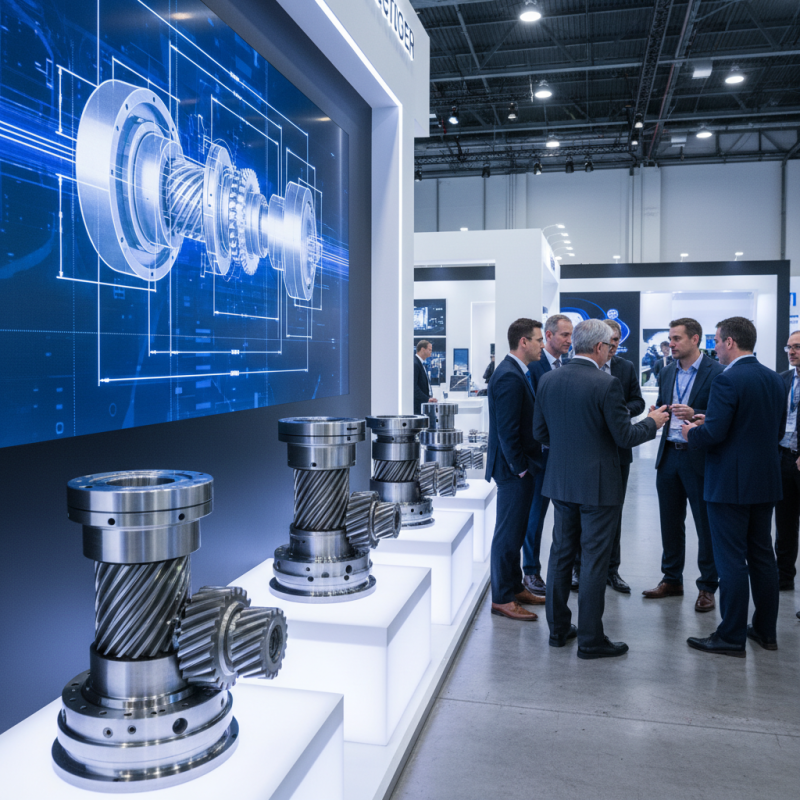
Overview of Cylindrical Gearboxes and Their Applications
Cylindrical gearboxes are crucial in various industrial applications, offering reliable torque and speed transmission. They are commonly used in machinery, automotive, and robotics sectors. According to the Global Gearbox Market Report, the demand for cylindrical gearboxes is expected to grow at a CAGR of 6.2% from 2021 to 2026. This growth reflects the increasing need for efficient power transmission solutions.
Their design allows for high power capacity in a compact form. A cylindrical gearbox typically features helical or spur gears. These types reduce gear noise and enhance efficiency. Reports indicate that applications in renewable energy, such as wind turbines, significantly utilize these gearboxes to convert rotational energy into electrical energy. However, issues such as wear and tear can lead to performance declines over time. Regular maintenance is essential for extending the lifespan of these gearboxes.
In manufacturing, precision is critical. Cylindrical gearboxes help achieve accuracy by providing consistent speed and torque. Nevertheless, not all gearboxes meet every industry's specific needs. Variability in load conditions and operating environments must be considered. Understanding these parameters is vital for selecting the most suitable gearbox.
Key Features to Consider in Choosing a Cylindrical Gearbox
Choosing the right cylindrical gearbox is crucial for many applications. Key features can significantly impact performance and durability. Efficiency is one critical consideration. An efficient gearbox can lead to lower energy consumption and reduced operating costs. According to industry reports, a well-designed gearbox can achieve over 95% efficiency in optimal conditions.
Another vital feature is the gear material. High-strength alloys and composite materials are often preferred for their durability. They can withstand higher loads and stresses. Reports indicate that gear failure often results from poor material choices. Lifetime can be affected significantly by the right selection.
Noise levels also matter. A gearbox's design affects acoustic emissions during operation. Choosing gear shapes that reduce backlash can result in quieter functioning. Some manufacturers advocate for precision engineering to minimize these issues. It’s essential to consider these factors carefully to avoid potential operational disruptions.
Top Manufacturers and Brands of Cylindrical Gearboxes in 2026
The cylindrical gearbox market is evolving rapidly. Industry reports indicate a compound annual growth rate (CAGR) of over 5.2% from 2026 onward. This growth stems from the increasing demand in the automotive and manufacturing sectors. Notably, the push for energy efficiency drives advancements in gearbox designs.
Some leading manufacturers focus on high precision and durability. They utilize advanced materials and innovative production techniques. This ensures that their cylindrical gearboxes withstand heavy loads and operate efficiently. However, not all brands can guarantee the same level of performance. Buyers should compare specifications and reliability before purchasing.
Tips: Consider the gearbox's application. Assess load capacity and environmental conditions. This can prevent costly failures in the future. It is crucial to check warranties and support services offered by manufacturers. Always be cautious of overly complex designs; simplicity often leads to better reliability.
Comparative Analysis of Performance and Efficiency Metrics
When choosing a cylindrical gearbox, performance and efficiency are critical. These metrics define how well the gearbox operates under different conditions. Understanding the power loss during operation can help in evaluating efficiency. A lower power loss translates to improved overall performance.
Many buyers overlook the role of material quality. The choice of materials affects durability and efficiency. Gears made from premium materials tend to exhibit lower friction, leading to enhanced performance. However, this quality comes at a higher cost, which some may find difficult to justify.
It's also vital to consider installation and maintenance practices. A well-installed gearbox may perform better, but maintenance routines can often be neglected. Regular checks can prevent inefficiencies. Reflecting on these factors is necessary to make an informed choice. Regular reviews of gearbox performance data can also reveal trends critical for long-term efficiency.
Maintenance Best Practices for Longevity of Cylindrical Gearboxes
Cylindrical gearboxes play a critical role in various industrial applications. Proper maintenance can significantly extend their lifespan and efficiency. A study by the Machinery Failure Prevention Technology program indicates that routine inspections can reduce unplanned downtime by 30%. Regular maintenance routines should involve checking for abnormal vibrations, wear, and tear. Those signs often signal the need for immediate attention.
Lubrication is a key aspect of maintenance. The right lubricant reduces friction and wear, enhancing performance. According to industry standards, a good-quality lubricant can increase component life by up to 50%. Operators should monitor oil levels and change lubricants per manufacturer instructions. However, over-lubrication can also cause issues, leading to overheating or leaks, thus requiring a careful balance.
Additionally, it’s important to track the operational environment. Dust, moisture, and extreme temperatures worsen wear conditions. Implementing protective measures, such as sealing systems, can mitigate these effects. A survey from the Gearbox Reliability Collaborative noted that up to 70% of failures are due to environmental factors. Awareness and adjustment to these conditions are crucial for optimal functionality and longevity of the gearbox.
2026 Best Cylindrical Gearbox for Global Buyers Guide
| Gearbox Type | Torque Range (Nm) | Efficiency (%) | Material | Maintenance Frequency (Months) |
| Spur Gearbox | 100 - 500 | 95 | Steel | 6 |
| Helical Gearbox | 150 - 800 | 96 | Alloy Steel | 6 |
| Bevel Gearbox | 200 - 1200 | 94 | Cast Iron | 12 |
| Worm Gearbox | 50 - 300 | 90 | Bronze | 12 |
| Planetary Gearbox | 300 - 1500 | 97 | Aluminum | 6 |