2026 Best 200ml Glass Bottle Wholesale Options for Buyers?
When it comes to sourcing packaging solutions, 200ml Glass Bottle Wholesale options are increasingly popular among buyers. These bottles are often chosen for their durability and eco-friendliness. With growing environmental concerns, more brands are turning to glass rather than plastic. This shift reflects a commitment to sustainability, which resonates with conscious consumers.
However, not all suppliers offer the same quality or pricing. It's important for buyers to assess their options carefully. Some wholesale suppliers may provide lower prices but compromise on quality. This can lead to issues down the line, affecting both product integrity and brand reputation.
Choosing the right 200ml glass bottle wholesale supplier involves more than just price comparison. Buyers need to consider factors like reliability and service. Delays in supply can disrupt business operations. In the end, selecting a trustworthy supplier is crucial for long-term success.
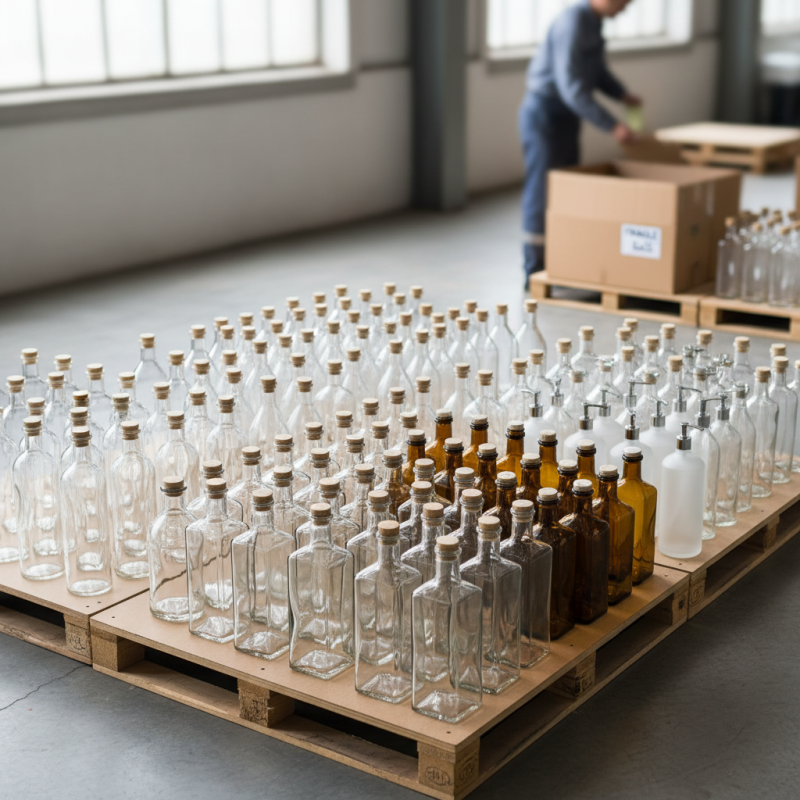
Top Wholesale Suppliers of 200ml Glass Bottles for 2026
When searching for reliable wholesale suppliers of 200ml glass bottles in 2026, it's vital to consider quality and pricing. Various suppliers offer a range of options, but not all guarantee durability. Look for suppliers that use high-quality glass to avoid breakage during shipping. Some manufacturers might have inconsistent quality control, leading to potential issues for buyers.
In addition to quality, identifying suppliers with good reputations is essential. Online reviews can be helpful. However, they should be analyzed critically. Sometimes a high rating might not reflect actual experiences. Contact previous clients if possible to gather honest feedback. Also, ensure that the supplier follows environmental regulations. Sustainability is important, especially when dealing with glass products.
Variety in design and usability is also crucial. Many suppliers can customize their bottles, which adds value. Take the time to explore different styles. On the downside, customization may lead to longer lead times. Patience and careful planning can mitigate delays when ordering custom 200ml bottles. Establishing a long-term relationship with your suppliers could lead to better deals in the future.
Factors to Consider When Choosing 200ml Glass Bottles
When selecting 200ml glass bottles for wholesale, consider both functionality and aesthetics. The bottle’s shape and color can influence consumer perception. Clear bottles allow customers to see the product inside. However, dark or colored bottles are better for light-sensitive liquids. Choose a design that complements your brand’s identity.
Quality is another crucial factor. Look for bottles that are durable and resistant to breakage. It’s also important to verify that the glass meets safety standards. A sturdy bottle reflects professionalism and can enhance customer trust. Consider the type of closure as well. A secure cap prevents leaks and spills, ensuring product integrity.
Price is a significant aspect too. Striking a balance between cost and quality can be challenging. Some suppliers offer lower prices, but the quality may not meet expectations. Always request samples to evaluate before placing a bulk order. Reflect on your priorities to find the right fit for your needs.
Comparative Analysis of Different Glass Bottle Styles and Designs
When evaluating 200ml glass bottles, several styles and designs stand out among the rest. Each design serves different purposes, catering to various consumer preferences. According to a recent industry report, 70% of buyers favor sleek, minimalist designs due to their modern appeal. These bottles often enhance product visibility while maintaining a sophisticated look.
Classic shapes, such as the round or square bottles, are still popular. They symbolize tradition and reliability. However, innovation is key. Unique bottle shapes can also improve functionality and brand identity. For example, bottles with ergonomic grips are becoming more desirable for on-the-go lifestyles. They not only appeal to customers but also reduce the risk of spillage.
Tips: Consider what the target market values most. Conduct surveys to understand consumer preferences. Additionally, always check for quality assurance certifications. A well-made glass bottle can reflect your commitment to excellence. Remember, aesthetics matter but functionality cannot be overlooked. As trends evolve, staying adaptable is crucial to meeting changing demands.
Cost-Effectiveness: Pricing Trends for Wholesale Glass Bottles in 2026
In 2026, the demand for 200ml glass bottles continues to rise. This trend reflects a growing preference for eco-friendly packaging. Buyers are keen on understanding pricing fluctuations. Cost-effectiveness remains a key factor in wholesale purchasing decisions.
The average price of wholesale glass bottles has seen some adjustments recently. Prices can vary based on factors such as production methods and material quality. Many suppliers report rising costs due to increased production expenses. However, bulk purchasing often leads to better deals. It’s essential for buyers to compare multiple suppliers to identify the best value.
Certain challenges exist in the market too. Supply chain disruptions have led to unpredictability in pricing. Buyers should stay informed about market trends. Regular monitoring can help mitigate risks related to fluctuating costs. Transparency is vital in negotiations with suppliers. Building strong relationships can lead to better pricing in the long run.
Sustainability and Eco-Friendliness in Glass Bottle Manufacturing
Sustainability has become a vital focus in glass bottle manufacturing. Many companies now prioritize eco-friendly practices. They use recyclable materials and energy-efficient processes. This shift reduces environmental impact and promotes greener choices for wholesalers and consumers alike.
In the production of glass bottles, every detail counts. Using recycled glass, for instance, saves energy and resources. However, not all manufacturers take this approach. Some still rely on virgin materials, which raises questions about their commitment to sustainability. Buyers must ask about the sourcing of materials when selecting suppliers.
There's also the issue of packaging and logistics. Sustainable manufacturing should extend beyond production. Efficient shipping methods can reduce carbon footprint. Yet, many companies overlook this aspect. By addressing every stage, from creation to delivery, the industry can truly thrive. Reflections on these practices can guide future decisions and foster responsibility within the market.
Sustainability Metrics in Glass Bottle Manufacturing